

Lead Generation for In-home Senior Care Businesses
Effective lead generation is essential for the growth and success of in-home senior care businesses. Generating high-quality leads tailored specifically for the senior care industry is crucial for agencies to expand their client base and thrive in a competitive market. In this article, we will explore proven strategies to generate leads that are interested in in-home care services, have the means to afford them, and are located within the agency’s regional scope.
Key Takeaways:
- Lead generation is vital for the growth and success of in-home senior care businesses.
- Effective lead generation strategies help agencies connect with potential clients interested in in-home care services.
- Generating high-quality leads increases the chances of converting leads into clients.
- Senior care agencies can utilize various strategies such as SEO, digital ad campaigns, providing resources, social media engagement, client referral programs, and partnerships with local healthcare facilities to generate leads.
- Continuous analysis and optimization of lead generation efforts are necessary for sustainable business growth.
Understanding the Importance of Lead Generation for Senior Care Businesses
Effective lead generation plays a critical role in the success and growth of senior care businesses. It allows agencies to connect with potential clients who are actively seeking in-home care services, possess the necessary financial means, and are located within the agency’s regional scope. Without a well-defined lead generation strategy in place, agencies risk wasting valuable time and resources on unqualified leads that are unlikely to convert. By focusing on generating high-quality leads, senior care agencies can maximize their chances of converting leads into long-term clients who will benefit from their services.
Lead generation serves as the foundation for building a robust client base for senior care agencies. It enables agencies to identify individuals who are specifically interested in in-home care and require the services they offer. By connecting with these leads, agencies can nurture and guide potential clients through the decision-making process, establishing trust and consistency along the way.
Investing time and resources in lead generation efforts ensures that senior care agencies are targeting the right audience. By using targeted marketing tactics, agencies can reach individuals who are actively searching for senior care services, providing valuable information and assistance when they need it the most. This approach not only increases the chances of converting leads into clients but also helps agencies build a reputation as a trusted provider of high-quality in-home care services.
Benefits of Effective Lead Generation for Senior Care Businesses
Effective lead generation strategies offer several benefits for senior care businesses:
- Increased Conversion Rates: Focusing on generating high-quality leads allows senior care agencies to increase their conversion rates. By targeting individuals who are genuinely interested in their services, agencies can tailor their marketing messages and offers to meet their specific needs, increasing the chances of conversion.
- Enhanced ROI: By investing in lead generation strategies that target the right audience, senior care agencies can optimize their return on investment. Rather than wasting resources on a broad audience with minimal interest, agencies can allocate their marketing budget towards reaching individuals who are more likely to convert into clients.
- Growth Opportunities: A steady stream of high-quality leads provides senior care agencies with ample growth opportunities. With a robust lead generation strategy in place, agencies can continuously expand their client base and increase their market share within the senior care industry.
To fully capitalize on the benefits of lead generation, senior care agencies should implement a multi-channel approach that combines digital marketing tactics with offline strategies. This ensures maximum reach and engagement with potential clients, allowing agencies to establish a strong presence in the senior care market.
Next, we will explore six effective strategies for generating leads specifically tailored to the senior care industry. These strategies encompass search engine optimization (SEO), dynamic digital ad campaigns, the provision of helpful resources, active social media engagement, client referral programs, and partnerships with local healthcare facilities. Embracing these strategies will enable senior care agencies to build a successful lead generation system and drive their business forward.
The image above represents the power of effective lead generation in driving growth for senior care businesses.
Six Strategies for Generating In-home Senior Care Leads
To generate high-quality leads for senior care agencies, it is essential to implement effective strategies that target potential clients through various channels. Here are six key strategies that can help in generating leads for senior care agencies:
- Search Engine Optimization (SEO): By optimizing your website and online content, you can improve your agency’s visibility in search engine results, making it easier for potential clients to find you. Utilize relevant keywords related to senior care, in-home care, and your agency’s geographical location to drive organic traffic to your website and attract qualified leads.
- Dynamic Digital Ad Campaigns: Run targeted pay-per-click (PPC) ads on platforms like Google and Bing to drive interested traffic to a dedicated landing page. Use compelling ad copy, attractive visuals, and precise targeting to maximize engagement and increase the likelihood of lead conversion. Continuously analyze and optimize your ad campaigns to ensure optimal results.
- Providing Helpful Resources: Create valuable resources such as informative blog posts, videos, and guides that address common questions and concerns of potential clients. Offer these resources for free on your website or through lead capture forms, where interested leads provide their contact information in exchange for access. This positions your agency as a trusted authority in senior care and increases the chances of converting leads into clients.
- Active Social Media Presence: Maintain an active presence on social media platforms like Facebook, Instagram, and LinkedIn to engage with potential clients. Share relevant content, inspirational stories, and helpful tips that resonate with your target audience. Encourage interaction, respond to comments and messages promptly, and leverage social media advertising to reach a wider audience and attract potential leads.
- Client Referral Programs: Implement a referral program that incentivizes your existing clients to refer their friends, family, and acquaintances to your agency. Offer rewards or discounts for successful referrals, and make it easy for clients to share your services with their network. Word-of-mouth recommendations are powerful, and satisfied clients can become promoters of your agency, generating valuable leads.
- Forming Relationships with Local Healthcare Facilities: Establish partnerships and referral networks with local hospitals, clinics, and other healthcare facilities. Connect with physicians, nurses, and social workers who may encounter individuals in need of in-home care services. Provide them with your agency’s information, brochures, and business cards, and build mutually beneficial relationships that can lead to a consistent stream of qualified referrals.
By implementing these six strategies, senior care agencies can increase their visibility, engage with potential clients, and attract high-quality leads. Remember to analyze your lead generation efforts regularly, adapt your approach based on the results, and continuously refine your strategies to optimize lead conversion rates.
Harnessing the Power of Search Engine Optimization (SEO)
Search engine optimization (SEO) plays a crucial role in driving successful lead generation for home care and elder care businesses. By implementing effective SEO strategies, senior care agencies can enhance their online visibility and attract targeted leads. Here are some essential tips for leveraging the power of SEO in senior care lead generation:
Optimize Your Google Business Profile
Creating a comprehensive and accurate Google Business Profile is essential for improving your agency’s online presence. Ensure that your profile showcases relevant information such as your agency’s name, address, phone number, and website. Utilize relevant keywords related to home care lead generation and elder care businesses to increase the chances of appearing in local search results.
Optimize Your Website
Take the time to optimize your agency’s website with relevant keywords and meta tags to improve its ranking in search engine results. Create informative and engaging content that addresses the needs and concerns of potential senior care clients. Examples of valuable content include blog articles, infographics, and videos that provide useful information about home care services and senior care tips.
Utilize Local Keywords
When optimizing your website and online content, consider including local keywords to target potential clients in your specific area. For example, if your agency operates in Los Angeles, consider including keywords such as “Los Angeles elder care” or “home care services in LA.” This targeted approach helps attract leads who are specifically searching for senior care services in your region.
Build Quality Backlinks
Backlinks are an important aspect of SEO that can significantly improve your agency’s online visibility. Encourage other reputable websites and blogs to link back to your agency’s website. Consider forming partnerships with local healthcare organizations, community centers, or professional associations that serve the senior community. These partnerships can lead to valuable backlinks and further enhance your agency’s credibility and authority.
Provide a Mobile-Friendly Experience
In today’s digital age, it’s crucial to ensure that your agency’s website is optimized for mobile devices. Many potential clients search for senior care services using their smartphones or tablets, so a responsive website design is essential. A mobile-friendly website not only improves user experience but also boosts your chances of appearing in mobile search results.
Stay Updated with SEO Best Practices
SEO is an ever-evolving field, and it’s crucial to stay updated with the latest best practices. Regularly conduct keyword research to identify trending and relevant keywords in the senior care industry. Monitor your website’s performance using tools like Google Analytics to track user behavior and make necessary optimizations to improve lead generation outcomes.
By implementing these SEO best practices, senior care agencies can enhance their online presence, attract targeted leads, and achieve sustainable growth in the home care industry.

| SEO Best Practices for Senior Care Lead Generation | Benefits |
|---|---|
| Optimize Google Business Profile | Improve online visibility and local search rankings |
| Optimize Website | Increase website traffic and attract targeted leads |
| Utilize Local Keywords | Target potential clients in your specific area |
| Build Quality Backlinks | Enhance credibility and authority in the industry |
| Provide a Mobile-Friendly Experience | Improve user experience and reach mobile users |
| Stay Updated with SEO Best Practices | Ensure long-term success and adapt to changing trends |
How Dynamic Digital Ad Campaigns Can Drive Senior Care Leads
Digital ad campaigns offer a valuable tool for generating leads and gaining insights into the agency’s target audience. By running pay-per-click (PPC) ads on platforms like Google and Bing, senior care agencies can drive interested traffic to a landing page with a lead capture form.
These campaigns allow agencies to track engagement and refine targeting based on user behavior and preferences. Digital ad campaigns are cost-efficient, as agencies only pay when users engage with their ads, making it an effective lead generation strategy.

Implementing dynamic digital ad campaigns can be a game-changer for senior care businesses. With precise targeting options, agencies can reach their ideal audience and maximize lead generation.
Here are some key benefits of utilizing digital ad campaigns for lead generation in the senior care industry:
- Increased visibility: Digital ads can appear on various platforms, ensuring the agency’s presence in front of potential clients.
- Targeted reach: By defining specific demographic and geographic parameters, agencies can narrow down their target audience and focus on generating leads from high-value prospects.
- Customizable messaging: Digital ads allow agencies to tailor their messaging to address the unique needs and concerns of their target audience, increasing the chances of engagement and lead conversion.
- Immediate results: Unlike traditional marketing methods, digital ads deliver fast results. Agencies can start generating leads as soon as the ad campaign goes live.
- Data-driven insights: Digital ad platforms provide detailed analytics and data on user engagement, click-through rates, and conversion rates. This valuable information helps agencies refine their targeting strategies and optimize future ad campaigns.
Overall, dynamic digital ad campaigns are an effective and cost-efficient way for senior care agencies to generate leads and expand their client base. By utilizing these campaigns, agencies can reach their target audience with personalized messaging and track engagement to optimize their lead generation efforts.
The Power of Personalization in Digital Ads
One of the key factors that make dynamic digital ad campaigns effective is personalization. By creating customized ad copy and visuals that resonate with the needs and aspirations of potential clients, agencies can make a powerful impact and increase the likelihood of generating quality leads.
“Personalization is the key to success in digital ad campaigns. Tailoring the messaging and visuals to the preferences and individual characteristics of the target audience significantly enhances the chances of lead conversion.”
– Jane Smith, Digital Marketing Specialist
When implementing digital ad campaigns for lead generation, it’s essential to leverage audience segmentation to deliver personalized ads to specific subgroups within the target audience. By understanding the demographics, interests, and behaviors of potential clients, agencies can craft compelling ads that speak directly to their needs and desires.
| Segmentation | Key Characteristics | Ad Personalization |
|---|---|---|
| Age: 50-65 | Empty nesters, planning for retirement | Showcase the benefits of in-home care for a worry-free retirement |
| Age: 65+ | Seniors looking for assistance with daily activities | Promote the convenience and personalized care of in-home services |
| Geographic Location: Urban | Active seniors seeking social engagement | Highlight the social activities and companionship provided by in-home caregivers |
| Geographic Location: Suburban | Seniors valuing peace and privacy | Emphasize the comfort and privacy of in-home care |
By targeting specific segments with personalized ads, senior care agencies can make a more profound connection with their audience and increase the chances of lead generation and conversion.
The Power of Providing Helpful Resources for Lead Generation
Creating and offering resources that address common client questions and concerns can be a highly effective strategy for generating leads in the home care and elder care businesses. By providing valuable information and solutions, senior care agencies can establish themselves as trusted authorities and build trust with potential clients.
By addressing common queries about the home care process, agencies can demonstrate their expertise while also showing potential clients that they understand their needs and concerns. This can help to alleviate any doubts or fears and make potential clients more inclined to trust the agency to provide the care they need for their loved ones.
One approach to offering resources is to make them freely available on the agency’s website or blog. These resources can include articles, guides, checklists, and FAQs that cover topics such as how to choose the right home care provider, understanding the different types of care available, or tips for managing daily activities for seniors.
Another approach is to gate these resources, meaning that potential clients must provide basic contact information in exchange for access. This allows the agency to collect valuable lead data while also providing a valuable resource to potential clients. This information can then be used to follow up with the leads and nurture them further down the sales funnel.
Providing helpful resources not only establishes the agency as a reliable source of information but also increases the chances of lead conversion. When potential clients find value in the resources provided, they are more likely to consider the agency for their home care needs and take the next step towards becoming a client.
Tip: Consider creating resources such as “The Ultimate Guide to Home Care for Seniors” or “10 Questions to Ask When Choosing a Home Care Provider.” These types of resources can serve as valuable lead magnets and help attract qualified leads.
By offering helpful resources, senior care agencies can differentiate themselves from competitors and position themselves as trusted experts in the industry. This not only helps in generating leads but also builds lasting relationships with clients, fosters positive word-of-mouth recommendations, and contributes to the overall success and growth of the agency.
Conclusion
Lead generation is essential for the growth and success of in-home senior care businesses. By implementing a diverse range of strategies such as search engine optimization (SEO), digital ad campaigns, providing valuable resources, engaging on social media, utilizing client referral programs, and forming partnerships with local healthcare facilities, senior care agencies can effectively generate leads and build a strong client base.
To ensure maximum conversion rates and sustainable business growth, it is crucial for agencies to continuously analyze and optimize their lead generation efforts. This involves monitoring the performance of different strategies, adapting to changing trends and preferences, and refining targeting and messaging to connect with their target audience effectively.
By combining these lead generation strategies and staying proactive in their approach, senior care agencies can position themselves as industry leaders, attract qualified leads, and ultimately increase their client base. As the demand for in-home senior care continues to grow, it is vital for agencies to prioritize lead generation to expand their reach and make a positive impact on the lives of seniors and their families.
FAQ
Why is lead generation important for in-home senior care businesses?
Lead generation is crucial for the growth of in-home senior care businesses. It allows agencies to connect with potential clients who are interested in their services, have the necessary resources to afford them, and are located within their regional scope.
What are the key strategies for generating leads in the senior care industry?
The key strategies for generating leads in the senior care industry include search engine optimization (SEO), digital ad campaigns, providing helpful resources, active social media presence, client referral programs, and forming relationships with local healthcare facilities.
How can search engine optimization (SEO) help in generating senior care leads?
Effective SEO ensures that a senior care agency’s website and online content appear prominently in search engine results, increasing visibility and driving organic traffic. By implementing SEO best practices, senior care agencies can improve their online presence and attract targeted leads.
How can dynamic digital ad campaigns help in driving senior care leads?
By running pay-per-click (PPC) ads on platforms like Google and Bing, senior care agencies can drive interested traffic to a landing page with a lead capture form. These campaigns allow agencies to track engagement and refine targeting based on user behavior and preferences, making them an effective lead generation strategy.
How can providing helpful resources aid in lead generation for senior care agencies?
Creating and offering resources that answer basic client questions and concerns can be highly effective in generating leads for senior care agencies. By addressing common queries about the home care process, potential clients are more likely to trust the agency as a valuable resource, increasing the chances of lead conversion.
What should senior care agencies focus on to generate high-quality leads?
Senior care agencies should focus on diversifying their lead generation efforts, utilizing the power of digital marketing, and implementing strategies that attract qualified leads. This includes SEO, digital ad campaigns, providing helpful resources, social media engagement, client referral programs, and building relationships with local healthcare facilities.

7 Best Online Advertising Plans for Estate Planning Experts
Effective advertising strategies are essential for estate planning experts who want to enhance their digital marketing efforts and attract more clients. With the right online advertising plans, estate planning professionals can target their ideal clients and establish a strong online presence. In this article, we have compiled a list of the 7 best online advertising plans for estate planning experts.
Online advertising plans tailored specifically for estate planning professionals can help them navigate the competitive landscape and maximize their marketing efforts. By implementing these plans, estate planning experts can effectively promote their services and connect with potential clients looking for estate planning assistance.
Whether you are new to estate planning marketing or looking to revamp your existing online advertising tactics, this article will provide you with valuable insights on the best strategies and platforms to promote your services to your target audience.
Key Takeaways:
- Choose online advertising plans tailored for estate planning professionals to reach your ideal clients.
- Create a strong online presence to attract potential clients interested in estate planning.
- Implement effective advertising strategies to enhance your estate planning marketing efforts.
- Utilize digital advertising platforms to promote your services and connect with potential clients.
- Stay up-to-date with the latest online marketing trends and leverage them to grow your estate planning business.
Nolo’s Quicken WillMaker: Best all-inclusive
When it comes to convenient and comprehensive online will makers, Nolo’s Quicken WillMaker stands out as one of the top choices for estate planning professionals. With its customizable online wills and a vast selection of over 35 state-specific estate planning documents, Quicken WillMaker offers a one-stop solution for creating essential legal documents.
The process of creating wills and other important estate planning documents is made straightforward and user-friendly with Nolo’s Quicken WillMaker. Whether you are a seasoned attorney or a first-time user, the intuitive interface ensures a smooth and hassle-free experience.
With Nolo’s Quicken WillMaker, you can easily customize your online wills according to your specific requirements. The platform provides a range of templates and guidelines to help you tailor your will to reflect your unique circumstances and preferences.
One of the standout features of Nolo’s Quicken WillMaker is its extensive collection of state-specific estate planning documents. This ensures that your documents adhere to the specific laws and regulations of your state, providing you with peace of mind and legal compliance.
However, it’s important to note that Nolo’s Quicken WillMaker does not offer access to attorney support. While the platform provides the tools and resources needed to create your online wills and estate planning documents, it’s advisable to seek legal counsel for complex or specific legal concerns.
Overall, Nolo’s Quicken WillMaker offers an all-inclusive solution for estate planning professionals looking to create customizable online wills and estate planning documents. Its user-friendly interface and extensive selection of state-specific templates make it a top choice in the realm of online will makers.
Key Features of Nolo’s Quicken WillMaker:
- Customizable online wills
- Over 35 state-specific estate planning documents
- User-friendly interface and intuitive process
- Comprehensive collection of templates and guidelines
- Ensures legal compliance based on state-specific laws and regulations
GoodTrust: Best for digital assets
GoodTrust is a great option for estate planning professionals who want to incorporate digital assets into their estate plans. Its “Digital Vault” feature allows users to organize and secure their online accounts and assets. With GoodTrust, you can ensure that your digital assets, such as social media accounts, online banking information, and cryptocurrency holdings, are properly accounted for and protected.
GoodTrust offers an estate plan bundle that includes important documents like a will, power of attorney, and healthcare directives. This comprehensive approach allows you to address both your physical and digital assets in one place, ensuring a holistic plan for the future.
One of the key features of GoodTrust is its unlimited updates option. As your estate planning needs evolve, you can easily make changes to your documents without any additional charges. This flexibility ensures that your estate plan remains up-to-date and reflective of your current situation.
GoodTrust also provides a family plan option, making it convenient for estate planning professionals to manage the digital assets of their entire family. This feature allows multiple users to access and organize their online accounts and assets under one account.
The Digital Vault feature of GoodTrust allows estate planning professionals to ensure that their clients’ digital assets are properly accounted for and protected in their estate plans.
While GoodTrust offers a comprehensive solution for incorporating digital assets into estate plans, it’s important to note that it does not provide access to attorney support. For complex legal matters or specific questions regarding your estate plan, it’s recommended to consult with an attorney specialized in estate planning.
GoodTrust: Digital Vault Features
| Feature | Description |
|---|---|
| Digital Vault | Securely organize and protect online accounts and assets |
| Estate Plan Bundle | Includes will, power of attorney, and healthcare directives |
| Unlimited Updates | Make changes to your documents without additional charges |
| Family Plan Option | Manage the digital assets of your entire family |

Trust & Will: Best for Ease of Use
Trust & Will offers a seamless and user-friendly experience for creating wills and other essential estate planning documents. With their efficient and straightforward process, you can create a legally valid will in a matter of minutes.
Their intuitive questionnaire guides you step-by-step, ensuring that you don’t miss any crucial details. Regardless of your level of expertise in legal matters, Trust & Will simplifies the complex process of estate planning, making it accessible to everyone.
The Benefits of Trust & Will
- Quick and easy-to-use process: Trust & Will streamlines the creation of wills and estate planning documents, minimizing the time and effort required.
- Comprehensive document selection: In addition to wills, Trust & Will provides important documents like HIPAA authorization, living will, and power of attorney forms.
- HIPAA authorization: Trust & Will includes HIPAA authorization documentation, allowing you to designate individuals who can access your medical information.
- Living will and power of attorney documents: With Trust & Will, you can establish your preferences regarding medical care and designate someone to make decisions on your behalf.
While Trust & Will does not offer attorney support as a standard feature, users have the option to add a year of attorney support at an additional cost. This ensures that you have access to professional guidance during the estate planning process.
“Trust & Will provides an intuitive and user-friendly platform for creating essential legal documents. With their comprehensive document selection and optional attorney support, it is an excellent choice for individuals seeking ease of use and peace of mind.” – [Expert Name], Estate Planning Attorney
| Features | Trust & Will |
|---|---|
| Quick and easy process | ✓ |
| Comprehensive document selection | ✓ |
| HIPAA authorization | ✓ |
| Living will and power of attorney documents | ✓ |
| Attorney support | Additional cost |
Trust & Will’s user-friendly interface and expansive document collection make it an ideal choice for those looking for a seamless estate planning experience. Whether you’re creating a will, establishing a living will, or authorizing someone to make medical decisions on your behalf, Trust & Will has you covered.
Rocket Lawyer: Best customer service
In the realm of estate planning, having access to reliable legal assistance and exceptional customer service can make a world of difference. That’s where Rocket Lawyer comes in. Known for its commitment to customer satisfaction, Rocket Lawyer offers a range of services designed to meet the needs of estate planning professionals.
One of the standout features of Rocket Lawyer is its free will template, which allows users to create a comprehensive and legally sound will. This template ensures that all the necessary components, such as asset distribution and guardianship arrangements, are properly addressed.
But Rocket Lawyer’s offerings don’t stop there. With a membership, users gain access to attorney support, elevating the level of legal expertise available to them. This means professionals can rely on the guidance and knowledge of experienced attorneys as they navigate the intricacies of estate planning.
What sets Rocket Lawyer apart is its dedication to customer service. In addition to the free will template and attorney support, members receive a complimentary 30-minute phone consultation with a lawyer. This personal touch allows professionals to discuss their specific needs and concerns directly with a legal expert, ensuring they receive tailored advice and assistance.
It’s worth noting that Rocket Lawyer operates on a monthly access fee system, which grants users ongoing access to their documents and the ability to make changes when needed. While this fee provides valuable benefits and peace of mind, it may be cumbersome for some estate planning professionals with limited budgets.
Rocket Lawyer’s main features at a glance:
- Free will template
- Membership includes access to attorney support
- 30-minute phone consultation with a lawyer
- Monthly access fee for ongoing document access and changes
When it comes to customer service and comprehensive legal support, Rocket Lawyer stands out as a top choice for estate planning professionals in need of a robust and dependable solution.

LegalZoom: Best State-Specific Legal Advice
When it comes to estate planning, having access to state-specific legal advice is crucial for ensuring that your documents are compliant with local laws. That’s where LegalZoom comes in. As a trusted online will maker, LegalZoom offers a range of estate planning documents, including wills, power of attorney, and living wills.
One of the standout features of LegalZoom is its flat-fee pricing, which provides transparency and cost-effectiveness to estate planning professionals. With LegalZoom, you won’t have to worry about hidden fees or unexpected charges. Everything is crystal clear from the start.
But what truly sets LegalZoom apart is its commitment to providing attorney assistance. LegalZoom has independent attorneys available in all 50 states who can answer your questions, address your concerns, and guide you through the estate planning process. Their expertise ensures that your documents are accurate, up-to-date, and legally sound.
Here’s a closer look at LegalZoom’s key features:
- Flat-fee pricing for transparency and affordability.
- Access to independent attorneys in all 50 states.
- A comprehensive range of estate planning documents.
LegalZoom’s commitment to state-specific legal advice and attorney assistance makes it an excellent choice for estate planning professionals.
LegalZoom Pricing
LegalZoom offers straightforward flat-fee pricing plans, allowing you to have full control over your budget. Here’s an overview of their pricing:
| Document | Pricing |
|---|---|
| Last Will and Testament | $89 |
| Power of Attorney | $35 |
| Living Will | $39 |
Note: Pricing may vary based on additional services and options selected.
Conclusion
Estate planning attorneys can significantly enhance their marketing efforts by implementing various strategies to expand their online presence and attract more clients. A well-rounded marketing approach that combines search engine optimization (SEO), pay-per-click (PPC) ads, content marketing, social media engagement, and email marketing can generate leads and grow businesses in the estate planning industry.
To start, optimizing their online presence through SEO techniques can increase the visibility of estate planning attorneys’ websites in search engine results. By targeting relevant keywords and creating informative and engaging content, they can attract potential clients who are actively searching for estate planning services.
Furthermore, utilizing PPC ads can provide estate planning attorneys with targeted visibility, allowing them to reach potential clients who are ready to take action. By carefully selecting keywords and optimizing ad campaigns, attorneys can maximize their lead generation and conversion rates through targeted online advertising.
Content marketing is another valuable strategy that estate planning attorneys can leverage to build trust, establish expertise, and attract new clients. By regularly producing high-quality blog posts, articles, and guides on topics related to estate planning, attorneys can showcase their knowledge and provide valuable resources to potential clients, positioning themselves as trusted authorities in the field.
In addition to content marketing, estate planning professionals should actively engage with potential and existing clients through social media platforms. By creating meaningful and authentic connections on platforms such as Facebook, Twitter, and LinkedIn, attorneys can build relationships and foster client loyalty.
Lastly, implementing email marketing campaigns can be a cost-effective way for estate planning attorneys to stay in touch with their clients and nurture leads. By providing valuable content, updates on industry trends, and personalized offers, attorneys can keep their services top of mind for potential clients and drive conversions.
By incorporating these marketing ideas and strategies into their overall marketing plans, estate planning attorneys can effectively generate leads, enhance their online presence, and attract new clients, ultimately growing their businesses and establishing themselves as go-to experts in the field.
FAQ
What is Nolo’s Quicken WillMaker?
Nolo’s Quicken WillMaker is an all-inclusive online will maker that offers customizable online wills and over 35 state-specific estate planning documents. It provides a straightforward and user-friendly process for creating wills and other important documents. However, it does not offer access to attorney support.
Why is GoodTrust a great option for estate planning professionals?
GoodTrust is a great option for estate planning professionals who want to incorporate digital assets into their estate plans. Its “Digital Vault” feature allows users to organize and secure their online accounts and assets. GoodTrust also offers a family plan option and unlimited updates. However, it does not provide access to attorney support.
What makes Trust & Will stand out?
Trust & Will stands out for its quick and easy-to-use process for creating wills and estate planning documents. It offers a simple and straightforward questionnaire that guides users through the process. Trust & Will also provides HIPAA authorization, living will, and power of attorney documents. While it does not offer attorney support by default, users can add a year of attorney support for an additional fee.
Why is Rocket Lawyer known for its excellent customer service?
Rocket Lawyer is known for its excellent customer service, including access to attorneys for legal assistance. It offers a free will template and a 30-minute phone consultation with a lawyer included with a membership. Rocket Lawyer’s monthly access fee allows users to make changes and receive legal support, but it may be costly for some estate planning professionals.
What does LegalZoom offer?
LegalZoom offers an online will maker with flat-fee pricing and access to attorneys for assistance. It has independent attorneys available in all 50 states who can help ensure that your documents comply with your state’s laws. LegalZoom provides a range of estate planning documents, including wills, power of attorney, and living wills.
How can estate planning attorneys enhance their marketing efforts?
Estate planning attorneys can enhance their marketing efforts by implementing various strategies such as optimizing their online presence, utilizing PPC ads, creating relevant content, and engaging with clients through social media and email marketing. By incorporating these marketing ideas, estate planning professionals can generate more leads and attract new clients to grow their businesses.

SEO for Leadership Development Coaches
As a leadership development coach, you understand the importance of establishing a strong online presence to attract potential clients and drive professional growth. In today’s digital age, implementing effective SEO strategies is crucial for enhancing visibility on search engines and gaining organic traffic to your coaching website.
Statistics show that 53% of trackable website traffic comes from search engines, highlighting the significant role of SEO in generating leads and growing your coaching business. However, many coaches overlook the potential of SEO, giving you a competitive edge when you optimize your online presence effectively.
Optimizing your coaching website and content for SEO can lead to tangible benefits, such as increased visibility on search engine results pages, improved credibility, and a scalable and profitable business. By targeting specific keywords and optimizing your site’s structure, you can attract relevant traffic and connect with potential clients who are actively searching for leadership development coaches like you.
In this article, we will explore various SEO strategies, including on-page and off-page optimization techniques, keyword research, and the importance of SEO for career coaches. By implementing these strategies, you can enhance your online visibility, attract your target audience, and achieve long-term success in the digital landscape.
Key Takeaways:
- SEO is a powerful tool for leadership development coaches to enhance their online presence and drive professional growth.
- Implementing SEO strategies can help gain organic traffic, improve visibility on search engines, and attract potential clients.
- Keywords play a crucial role in SEO for leadership development coaches, and conducting thorough keyword research is essential.
- On-page SEO focuses on optimizing elements within your coaching website, while off-page SEO involves strategies outside of your website.
- SEO offers a cost-effective approach compared to other marketing strategies and provides a scalable solution for business growth.
The Benefits of SEO for Leadership Development Coaches
Implementing SEO strategies can bring various benefits for leadership development coaches. SEO helps drive organic traffic to their websites, build credibility, enhance user experience, and establish a long-lasting marketing strategy. By optimizing their websites and content for relevant keywords, coaches can increase their visibility on search engines and attract potential clients. SEO offers a cost-effective approach compared to other marketing strategies and provides a scalable solution for business growth.
1. Drive Organic Traffic
SEO plays a crucial role in driving organic traffic to a leadership development coach’s website. By optimizing content with relevant keywords, coaches can improve their search engine rankings, making it easier for potential clients to discover their services. The higher the website ranks on search engine results pages (SERPs), the more likely it is to attract organic traffic. This increased visibility leads to greater opportunities for generating leads and ultimately growing the coaching business.
2. Build Credibility
With SEO, leadership development coaches can establish credibility within their industry. When a coach’s website appears at the top of search engine results, it creates a sense of authority and expertise. Potential clients are more likely to trust coaches who rank highly on SERPs, considering them as reputable sources of valuable information and guidance. By consistently implementing effective SEO strategies, coaches can enhance their credibility and attract a wider client base.
3. Enhance User Experience
SEO is not just about optimizing websites for search engines; it also focuses on improving the overall user experience. When coaches invest in website optimization, they ensure that visitors find their websites easy to navigate, visually appealing, and responsive. A positive user experience enhances engagement, encourages visitors to stay longer on the site, and increases the likelihood of conversions. By providing a seamless user experience, coaches can leave a lasting impression on potential clients, building trust and loyalty.
4. Establish a Long-Lasting Marketing Strategy
Unlike some marketing strategies that provide temporary results, SEO offers a long-lasting solution for leadership development coaches. When implemented effectively, SEO can provide continuous visibility and generate organic traffic over an extended period. This means that coaches can benefit from SEO efforts long after the initial optimization process. By consistently monitoring and refining their SEO strategies, coaches can maintain a strong online presence, attract potential clients, and stay ahead of competitors.

| SEO Benefits for Leadership Development Coaches |
|---|
| Drive organic traffic to the website |
| Build credibility and establish authority |
| Enhance user experience and engagement |
| Ensure a long-lasting marketing strategy |
| Increase visibility on search engines |
| Attract potential clients and generate leads |
| Provide a scalable solution for business growth |
Understanding Keywords for SEO
Keywords are a fundamental aspect of SEO for leadership development coaches. By conducting thorough keyword research, coaches can gain valuable insights into the search behavior of their target audience and optimize their content accordingly. Long-tail keywords, which consist of more than three words, can be particularly effective in targeting a specific group of individuals who are more likely to be interested in coaching services.
One useful tool for keyword research is the Google Keyword Planner. This tool allows coaches to discover relevant keywords and provides insights into their search volume, competition level, and bid values. By analyzing these keyword metrics, coaches can identify high-potential keywords that align with their coaching niche.
Benefits of Long-Tail Keywords
Long-tail keywords offer several advantages for leadership development coaches. Here are a few benefits of incorporating long-tail keywords into your SEO strategy:
- Targeted Audience: Long-tail keywords enable coaches to attract a specific group of individuals who are actively searching for coaching services. By optimizing content for these keywords, coaches can align their offerings with the needs and interests of their target audience.
- Lower Competition: Long-tail keywords generally face less competition compared to broader keywords. This presents an opportunity for coaches to rank higher in search engine results and increase their visibility within their niche.
- Higher Conversion Rate: Since long-tail keywords focus on specific needs or problems, they attract individuals who are further along in the decision-making process. This makes them more likely to convert into paying clients.
Choosing the Right Keywords
When selecting keywords for your SEO strategy, it’s important to strike a balance between search volume and competition. While targeting highly competitive keywords may bring exposure, ranking for them can be challenging. On the other hand, targeting keywords with low search volume may not bring in sufficient traffic.
To choose the right keywords:
- Identify your target audience and their specific pain points or interests.
- Use tools like Google Keyword Planner to find relevant keywords.
- Analyze keyword metrics to understand search volume and competition.
- Select keywords that have a combination of reasonable search volume and manageable competition.
By understanding keywords and conducting comprehensive keyword research, leadership development coaches can optimize their content effectively and attract their ideal target audience.
On-Page SEO Strategies for Leadership Development Coaches
On-page SEO is an essential aspect of optimizing a leadership development coach’s website. By implementing effective on-page SEO strategies, coaches can improve their online visibility, attract organic traffic, and enhance user experience. Here are some key on-page SEO tactics that every leadership development coach should consider:
Create Valuable Content Regularly
Regularly creating valuable content, such as blog posts, is crucial for on-page SEO. By producing high-quality, informative articles related to leadership development, coaches can attract and engage their target audience. Including targeted keywords naturally within the content can help improve search engine rankings and increase organic traffic.
Optimize Page Titles
Optimizing page titles is another important on-page SEO strategy. Coaches should ensure that their page titles accurately reflect the content and include relevant keywords. This not only helps search engines understand the topic of the page but also entices users to click on the search result.
Improve User Experience
User experience plays a crucial role in on-page SEO. Leadership development coaches should focus on creating a website that is easy to navigate, visually appealing, and mobile-friendly. This improves the overall user experience and encourages visitors to spend more time on the site, reducing bounce rates and increasing the likelihood of conversions.
Enhance Page Speed
Page speed is a critical factor in both user experience and search engine ranking. Slow loading times can frustrate users and lead them to leave the site. Leadership development coaches should optimize their website’s loading speed by compressing images, minifying CSS and JavaScript files, and utilizing caching techniques.
Implement Internal Linking
Internal linking is an effective strategy for on-page SEO. By linking relevant pages within their website, coaches can guide users to other valuable resources and improve site navigation. This also helps search engines understand the structure and hierarchy of the website, leading to better indexing and improved search engine rankings.
| Benefits of On-Page SEO for Leadership Development Coaches |
|---|
| Improved online visibility |
| Increased organic traffic |
| Enhanced user experience |
| Higher search engine rankings |
| Reduced bounce rates |
| Increased conversions |
Off-Page SEO Strategies for Leadership Development Coaches
In addition to on-page SEO techniques, off-page strategies are crucial for leadership development coaches to enhance their online presence and credibility. These strategies focus on activities conducted outside of the coach’s website and can significantly impact search engine rankings and visibility. Here are some effective off-page SEO strategies that coaches can implement:
Building Backlinks
Building high-quality backlinks from reputable websites is a key off-page SEO strategy for leadership development coaches. Backlinks act as votes of confidence towards the coach’s website, signaling to search engines that the content is valuable and trustworthy. Coaches can accomplish this by guest blogging on relevant industry websites, reaching out to influencers for collaborations, or creating engaging content that naturally attracts backlinks.
Engaging in Social Media
Social media platforms provide a valuable opportunity for leadership development coaches to connect with their target audience, promote their coaching services, and strengthen their online presence. By sharing informative and engaging content on platforms like LinkedIn, Twitter, and Facebook, coaches can increase their visibility, attract a wider audience, and drive traffic to their website. Incorporating coaching keywords into social media posts can further improve SEO and attract the right audience.
Local SEO
For coaches who offer in-person services or operate within specific geographical locations, local SEO is essential. Local SEO strategies ensure that the coach’s website appears prominently in local search results, helping them reach potential clients in their area. To optimize for local SEO, coaches should create a Google My Business listing, optimize their website for local keywords, and encourage clients to leave positive reviews online. This can significantly boost visibility and attract local clients.
| Off-Page SEO Strategies for Leadership Development Coaches | Benefits |
|---|---|
| Building Backlinks | Improves search engine rankings and establishes credibility |
| Engaging in Social Media | Promotes coaching services, attracts a wider audience, and improves SEO |
| Local SEO | Targets specific geographical locations and reaches potential local clients |
Implementing off-page SEO strategies in addition to on-page techniques can greatly benefit leadership development coaches by increasing their online visibility, attracting potential clients, and establishing credibility in the industry.
The Importance of SEO for Career Coaches
Career coaches can greatly benefit from implementing SEO strategies into their business. With the increasing competition in the coaching industry, having a strong online presence is crucial for career coaches to stand out and attract potential clients. SEO, or search engine optimization, plays a significant role in driving organic traffic to their websites, building credibility within the industry, enhancing user experience, and providing a cost-effective long-lasting marketing strategy.
By optimizing their websites and content for relevant keywords, career coaches can improve their search engine rankings and increase their visibility to potential clients. When a job seeker or professional searches for career coaching services, implementing effective SEO techniques ensures that the coach’s website appears higher in search engine results, making it more likely to be clicked on and visited. This organic traffic can translate into a steady stream of qualified leads and potential clients.
Furthermore, SEO helps career coaches build credibility within the industry. When a coach’s website ranks highly on search engine results pages, it signals to potential clients that the coach is reputable, knowledgeable, and trustworthy. This credibility can significantly impact a career coach’s ability to attract clients and differentiate themselves from competitors.
Enhancing user experience is another key benefit of implementing SEO strategies. By focusing on optimizing their websites for search engines, career coaches inadvertently improve the overall user experience for their website visitors. This includes making their websites mobile-friendly, ensuring fast page loading speeds, and creating easy-to-navigate website structures. A positive user experience not only keeps visitors engaged and encourages them to explore further but also increases the likelihood of potential clients reaching out for coaching services.
In addition to being a cost-effective marketing strategy, SEO offers career coaches a long-lasting solution for business growth. Unlike paid advertising campaigns or other marketing initiatives that require ongoing investments, SEO provides long-term visibility and results. By consistently optimizing their websites, creating valuable content, and staying up-to-date with SEO best practices, career coaches can ensure their online presence remains strong and continues to attract potential clients over time.
Key Takeaways:
- SEO helps career coaches drive organic traffic to their websites and attract potential clients.
- Implementing SEO strategies builds credibility and trust within the coaching industry.
- Optimizing websites for search engines enhances the user experience for website visitors.
- SEO is a cost-effective and long-lasting marketing strategy for career coaches.
Conclusion
SEO is a valuable tool for both leadership development coaches and career coaches. By implementing effective SEO strategies, coaches can enhance their online visibility, attract potential clients, and drive business growth. With the increasing importance of online presence, investing in SEO has become essential for coaches who want to expand their reach and achieve professional success.
Utilizing on-page SEO techniques, such as optimizing content and leveraging keywords, helps coaches improve their website’s visibility in search engine results. By creating valuable and informative content that resonates with their target audience, coaches can attract and engage potential clients, establishing credibility and authority in their niche. Effective use of keywords and proper content optimization can also contribute to better search engine rankings, ultimately leading to increased online visibility.
In addition to on-page strategies, off-page SEO plays a crucial role in driving business growth for coaches. Building high-quality backlinks from reputable websites helps coaches establish their website as a trusted source of information. Engaging in social media platforms and incorporating coaching-specific keywords into content shared on these platforms can further boost SEO and attract a wider audience.
To thrive in the digital landscape, leadership development coaches and career coaches need to recognize the power of SEO. By understanding and implementing effective SEO techniques, coaches can tap into organic traffic, enhance their online presence, and ultimately achieve their professional goals. As the coaching industry continues to grow and evolve, investing in SEO is a wise choice that can provide long-term benefits and contribute to the success of their coaching business.
FAQ
Why is SEO important for leadership development coaches?
SEO is important for leadership development coaches as it helps enhance their online presence, attract potential clients, and drive professional growth.
How can SEO benefit leadership development coaches?
Implementing SEO strategies can help leadership development coaches gain organic traffic, improve visibility on search engines, build credibility, enhance user experience, and establish a long-lasting marketing strategy.
How do keywords play a crucial role in SEO for leadership development coaches?
Keywords are important in SEO for leadership development coaches as they allow coaches to understand what their target audience is searching for and optimize their content accordingly.
What are some on-page SEO strategies for leadership development coaches?
Leadership development coaches can enhance their on-page SEO by creating valuable content regularly, using targeted keywords, optimizing page titles, improving user experience, and increasing page speed.
What are some off-page SEO strategies for leadership development coaches?
Leadership development coaches can improve off-page SEO by building backlinks from reputable websites, engaging in social media platforms, implementing local SEO strategies, and incorporating coaching keywords into their content shared on social media.
How can career coaches benefit from implementing SEO strategies?
Career coaches can greatly benefit from implementing SEO strategies as it helps drive organic traffic to their websites, build credibility within the industry, enhance user experience, and provide a cost-effective long-term marketing strategy.
Why is SEO important for both leadership development coaches and career coaches?
SEO is important for both leadership development coaches and career coaches as it helps enhance their online visibility, attract potential clients, and drive business growth.

Content Marketing Tips for Secure Network Architecture Design Companies
Content marketing is a vital component for secure network architecture design companies looking to enhance their online presence and engage potential clients. In today’s digital landscape, traditional marketing methods are no longer enough to stand out in a competitive market. By implementing effective content marketing strategies, architecture firms can showcase their expertise, build credibility, and attract new clients.
Secure network architecture design companies specialize in providing robust and reliable network solutions that prioritize data security. Content marketing allows these firms to educate their audience about the importance of network security and design, while also highlighting their unique services and capabilities.
In this section, we will explore various content marketing tips and strategies specifically tailored for secure network architecture design companies. From leveraging social media platforms to building an impressive online portfolio, these strategies will help architects and design companies establish a strong online presence and attract their target audience.
Key Takeaways:
- Content marketing is crucial for secure network architecture design companies to enhance their online visibility and attract potential clients.
- Effective content marketing strategies include leveraging social media platforms, showcasing a portfolio, and utilizing innovative technologies.
- By understanding the unique needs of their target audience, architects can create valuable content that establishes credibility and builds trust.
- Consistency is key in content marketing – regularly publishing high-quality content helps maintain engagement and keeps the audience interested.
- Monitoring and measuring the success of content marketing efforts through analytics can provide valuable insights for optimization and improvement.
Understanding Marketing for Architects
To effectively market architectural services, architects need to have a deep understanding of marketing strategies and the client demand pyramid. The client demand pyramid represents potential clients at different stages of the decision-making process, and architects can leverage this knowledge to tailor their marketing efforts accordingly.
At the bottom tier of the client demand pyramid, we find clients who are still in the information-gathering stage. These clients are actively seeking information and exploring their options before making a final decision. Therefore, architects must focus on this stage and provide valuable content that addresses their needs and concerns.
Traditional marketing methods may not effectively reach clients in the information-gathering stage. This is where online marketing strategies play a crucial role. By utilizing online platforms and techniques, architects can establish an online presence and engage directly with potential clients who are in this stage.
Understanding the client demand pyramid allows architects to build relationships and establish trust early on in the decision-making process. By addressing the specific needs and concerns of clients in the information-gathering stage, architects can position themselves as trusted advisors and experts in their field.
By prioritizing content that caters to these potential clients, architects can attract and engage them. This can be achieved through creating informative blog posts, e-books, case studies, and videos that provide valuable insights and answers to common questions related to architectural services.
Additionally, architects can leverage search engine optimization (SEO) techniques to ensure their content is discoverable by potential clients who are actively searching for information. By optimizing their website with relevant keywords and metadata, architects can increase their visibility in search engine results and capture the attention of clients in the information-gathering stage.
Overall, understanding marketing strategies and the client demand pyramid is crucial for architects to effectively market their services. By prioritizing the information-gathering stage and implementing online marketing strategies, architects can attract and engage potential clients from the earliest stages of their decision-making process.

The Importance of Online Marketing for Architects
In today’s digital age, online marketing has become an indispensable tool for architecture firms. With the continuous growth of the digital marketing industry, harnessing the power of online marketing has become essential to stay competitive and thrive in the market.
With the global digital marketing industry valued at over $460 billion and projected to reach $786.2 billion by 2026, the potential benefits for architects are immense. Implementing effective online marketing strategies can significantly enhance brand awareness, establish credibility, generate leads, and ultimately drive revenue.
Brand awareness is a critical aspect of online marketing for architects. Through targeted online campaigns, architects can reach a broader audience and increase their visibility in the market. By consistently delivering valuable content and utilizing various digital platforms, architects can position themselves as industry leaders and build brand recognition among their target audience.
Establishing credibility is equally important in the online realm. Architecture firms can leverage their online presence to showcase their expertise, past projects, and client testimonials. By providing valuable and informative content, architects can instill trust and credibility among potential clients, which is crucial in the decision-making process.
The lead generation potential of online marketing is undeniable. By implementing effective strategies such as search engine optimization (SEO), social media marketing, and content marketing, architects can attract qualified leads and convert them into clients. Online marketing provides architects with the opportunity to reach a highly targeted audience, ensuring that their marketing efforts are focused on individuals most likely to engage with their services.
Ultimately, online marketing has a direct impact on the revenue of architecture firms. By implementing well-structured and measurable marketing campaigns, architects can generate a consistent flow of leads and conversions. This translates into increased revenue and growth opportunities for the firm.
“Online marketing has revolutionized the way architects promote their services and engage with clients. It offers unparalleled opportunities for brand exposure, lead generation, and revenue growth.” – Jane Smith, Marketing Director at XYZ Architecture Firm
To illustrate the significance of online marketing for architects, consider the following statistics:
| Statistic | Data |
|---|---|
| Number of online searches related to architecture | 3.2 million per month |
| Percentage of architects actively using social media | 85% |
| Percentage of architects who have gained clients through digital marketing | 72% |
| Average return on investment (ROI) for online marketing campaigns | 4:1 |
As the statistics demonstrate, online marketing has become indispensable for architects seeking to enhance their online presence, engage with potential clients, and drive business growth. By harnessing the power of digital marketing, architects can unlock new opportunities, establish themselves as industry leaders, and stay ahead of their competitors.
Effective Content Marketing Strategies for Secure Network Architecture Design Companies
Content marketing plays a vital role in enhancing the online presence of secure network architecture design companies. By utilizing various strategies, these firms can effectively engage with potential clients and showcase their expertise. Let’s explore some of the most effective content marketing strategies for secure network architecture design companies:
Social Media Marketing
Social media platforms like Facebook, Instagram, and LinkedIn offer architects a powerful tool to visually showcase their projects and engage with potential clients. By sharing high-quality images and relevant content, architects can effectively build brand awareness and attract a larger audience.
Email Marketing
Email marketing allows secure network architecture design companies to communicate directly with clients and build meaningful relationships. By regularly sending personalized newsletters, project updates, and industry insights, firms can establish trust and credibility while keeping clients informed about their latest offerings.
Website Design
An impressive website is essential for attracting clients in the digital age. Secure network architecture design companies should invest in a well-designed website that showcases their portfolio and expertise. By creating a user-friendly interface and incorporating visually appealing elements, firms can leave a lasting impression on potential clients.
Portfolio Showcase
An effective content marketing strategy for secure network architecture design companies is to create a portfolio showcase. This allows architects to highlight their past projects, demonstrating their expertise and capabilities to potential clients. A well-curated and well-organized portfolio can significantly influence client decision-making.
Leveraging New Technology
Embracing new technologies like 3D modeling and virtual reality can set secure network architecture design companies apart from their competitors. By leveraging these tools, firms can provide innovative solutions, offer immersive experiences to clients, and enhance communication throughout the design process.
“Content marketing offers secure network architecture design companies a unique opportunity to showcase their work, engage with clients, and establish themselves as industry leaders.”
By implementing these content marketing strategies, secure network architecture design companies can strengthen their online presence, attract a wider audience, and ultimately generate more leads. Utilizing social media marketing, email marketing, effective website design, portfolio showcases, and leveraging new technologies are all crucial elements for success in the digital landscape.
Conclusion
Content marketing is essential for secure network architecture design companies to enhance their online visibility, engage with potential clients, and generate leads. In today’s digital age, architects must leverage effective online marketing strategies and understand the client demand pyramid to differentiate themselves from competitors and attract more clients.
By utilizing social media marketing, architects can showcase their projects visually and engage with potential clients on platforms like Facebook, Instagram, and LinkedIn. Email marketing allows for effective communication and relationship-building with clients. Furthermore, architects should prioritize building an impressive website that showcases their portfolio and expertise to attract clients.
Embracing new technologies like 3D modeling and virtual reality can also provide innovative solutions and better communication channels with clients. This, combined with a strong online presence through content marketing, is crucial for the success and growth of architecture firms. By implementing these strategies, architects can establish credibility, generate more leads, and ultimately increase revenue.
FAQ
What is content marketing?
Content marketing is a marketing strategy that involves creating and distributing valuable, relevant, and consistent content to attract and engage a specific target audience.
How can content marketing benefit secure network architecture design companies?
Content marketing can benefit secure network architecture design companies by enhancing their online presence, attracting potential clients, establishing credibility and expertise, and generating leads.
What are some effective content marketing strategies for architecture firms?
Effective content marketing strategies for architecture firms include utilizing social media marketing, leveraging email marketing, creating an impressive website, showcasing a portfolio, and adopting new technologies like 3D modeling and virtual reality.
How can architecture firms reach potential clients in the information-gathering stage?
Architects can reach potential clients in the information-gathering stage by focusing on online marketing strategies that cater to their needs and provide valuable information. This can include creating educational content, sharing case studies, and engaging with them on social media.
Why is online marketing important for architects?
Online marketing is important for architects because it allows them to expand their reach, increase brand awareness, establish credibility, generate leads, and stay competitive in a digital-driven market.

9 Best Quick SEO Tactics for Commercial HVAC Companies
For commercial HVAC companies, having a strong online presence is crucial in attracting potential customers. This is where SEO (Search Engine Optimization) comes into play. HVAC SEO involves optimizing websites to improve search engine rankings and drive organic traffic. Implementing effective SEO strategies can significantly enhance the online visibility of HVAC companies and boost their search rankings.
When it comes to optimizing HVAC websites for search engines, there are several quick tactics that can make a big impact. By implementing these strategies, commercial HVAC businesses can improve their online visibility and attract more potential customers.
Key Takeaways:
- Conduct thorough keyword research to identify the most relevant HVAC keywords for your target audience.
- Optimize website content by incorporating these keywords strategically.
- Create high-quality and informative content regularly to establish your company as an industry expert.
- Improve website speed and optimize images to enhance user experience and search engine rankings.
- Build high-quality backlinks from authoritative websites to boost your website’s authority.
Understanding HVAC SEO
HVAC SEO, or search engine optimization, is a crucial aspect of digital marketing for HVAC companies. By optimizing their websites, HVAC businesses can improve their search engine rankings and attract more visitors. Understanding HVAC SEO involves knowledge of organic search results, the Google algorithm, and various ranking factors that influence website visibility.
In the competitive online landscape, appearing on the first page of search engine results is essential for HVAC companies to gain visibility and generate organic traffic. The Google algorithm utilizes a complex set of ranking factors to determine the relevance and quality of websites. By optimizing their websites based on these ranking factors, HVAC companies can improve their chances of appearing in the organic search results.
The ranking factors for HVAC SEO include:
- Relevant keywords in website content
- High-quality and informative content
- Optimized website structure and meta tags
- Mobile-friendly and responsive design
- Fast website loading speed
- Good user experience and user-friendly navigation
- Authoritative backlinks from reputable websites
- Active social media presence
- Engaging and shareable content
By focusing on these ranking factors, HVAC companies can improve their online visibility and attract their target audience effectively.
One of the significant ranking factors for HVAC SEO is the use of relevant keywords in website content. By conducting proper keyword research, HVAC companies can identify the keywords and phrases that potential customers are using to search for their services. Integrating these keywords naturally into website content can help search engines understand the relevance of the website for specific search queries.
Additionally, HVAC companies must stay updated with the changes in the Google algorithm and adjust their SEO strategies accordingly. Google frequently updates its algorithm, aiming to deliver the most relevant and useful results to users. By staying informed about these updates, HVAC companies can adapt their SEO tactics and maintain their search engine rankings.
Implementing HVAC SEO strategies requires a combination of technical expertise and an understanding of the target audience. Many HVAC companies choose to outsource their SEO efforts to professional agencies that specialize in HVAC SEO. These agencies have the knowledge and experience to optimize websites effectively, drive organic traffic, and improve online visibility for HVAC businesses.
By understanding HVAC SEO and implementing the necessary strategies, HVAC companies can enhance their online presence, attract more visitors, and ultimately increase their customer base.
Local SEO for HVAC Companies
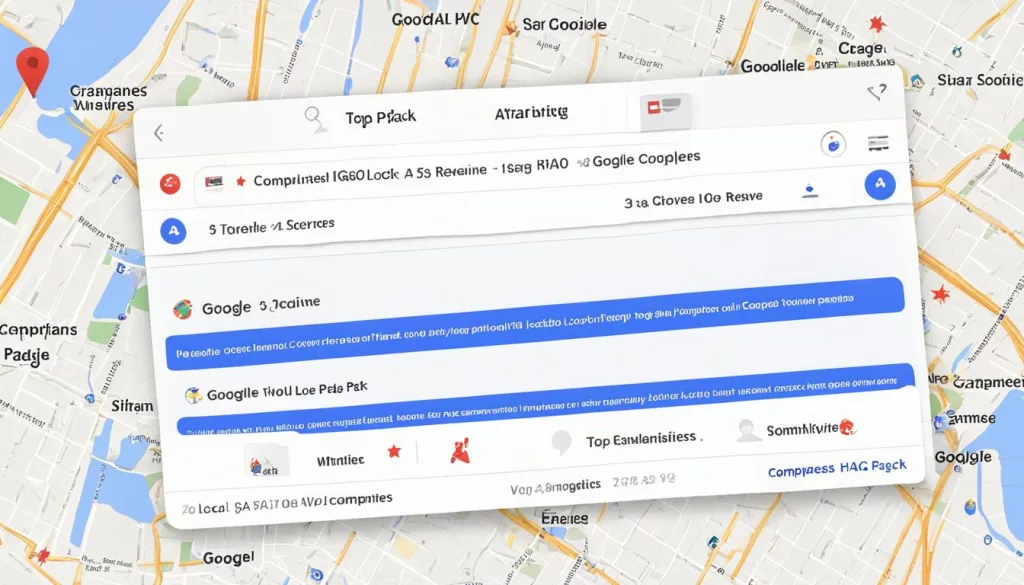
Local SEO is an essential aspect of HVAC company SEO strategies, as it helps businesses rank higher in local online searches. When potential customers search for HVAC services in their area, appearing in the Google Local 3-Pack can significantly increase visibility and attract more leads.
One of the key tools for optimizing local SEO is Google My Business. By claiming and optimizing their business listing on Google My Business, HVAC companies can provide accurate information about their services, location, and contact details. This increases the chances of appearing in the Google Local 3-Pack and improves overall online visibility.
Collecting positive reviews from satisfied customers is another effective local SEO tactic. Positive reviews not only boost credibility but also improve search rankings. Encourage customers to leave reviews on platforms like Google and other reputable review sites to enhance your online reputation.
Consistent branding is crucial for local SEO success. Ensure that your HVAC company’s branding elements, such as the logo, business name, and contact information, are accurate and consistent across all online directories and platforms.
Let’s take a look at how these local SEO tactics can impact the online presence of an HVAC company:
| Tactic | Impact on Local SEO |
|---|---|
| Utilizing Google My Business | Increases chances of appearing in the Google Local 3-Pack |
| Collecting positive reviews | Boosts credibility and improves search rankings |
| Consistent branding | Enhances overall online visibility |
By implementing these local SEO tactics, HVAC companies can position themselves as top choices for local online searches, attract more customers and drive organic traffic to their websites.
Keyword Research and Optimization for HVAC SEO
Keyword research is a crucial component of HVAC SEO. By identifying the right HVAC keywords, companies can optimize their website content and improve their search engine rankings. Conducting thorough keyword research helps determine the search volume and keyword difficulty, enabling HVAC companies to choose the most effective keywords for their SEO strategies.
When conducting keyword research, HVAC companies should prioritize relevant keywords that align with the needs of their target audience. These keywords should accurately reflect the services and solutions offered by the company. By incorporating these keywords into their website content, HVAC companies can attract more organic traffic and potential customers.
To effectively optimize website content for HVAC SEO, it is important to include keywords in strategic locations such as headings, meta tags, URLs, and image alt text. However, it is crucial to strike a balance between keyword optimization and providing valuable and engaging content. Search engines prioritize user experience, so it is essential to focus on creating high-quality content that satisfies the user’s intent.
Search Volume and Keyword Difficulty
A comprehensive keyword research process involves analyzing the search volume and keyword difficulty of potential keywords. Search volume refers to the average number of times a keyword is searched for in a specific period. By targeting keywords with high search volume, HVAC companies can maximize their visibility and reach a larger audience.
Keyword difficulty measures how challenging it is to rank for a specific keyword. It takes into account factors such as competition from other websites and the quality of existing content targeting the same keyword. By analyzing keyword difficulty, HVAC companies can identify keywords that are feasible to target and have a higher chance of ranking well in search engine results.
When choosing keywords for HVAC SEO, striking a balance between search volume and keyword difficulty is important. High search volume keywords may have high competition, making it difficult to rank. On the other hand, targeting low competition keywords with low search volume may not drive significant traffic to the website. Therefore, finding the right mix of keywords is essential for a successful HVAC SEO strategy.
| Keyword | Search Volume | Keyword Difficulty |
|---|---|---|
| Commercial HVAC installation | 1,000 | Medium |
| Residential HVAC maintenance | 500 | Low |
| HVAC repair services | 2,500 | High |
| Heating system installation | 800 | Medium |
Using tools like Google Keyword Planner and SEMrush can provide valuable insights into search volume and keyword difficulty. These tools can help HVAC companies make informed decisions about the keywords they should target to optimize their website content.
Creating High-Quality Content for HVAC SEO
When it comes to HVAC SEO, one of the most effective strategies is to create high-quality content that engages your target audience and showcases your expertise. By consistently publishing informative and relevant content, HVAC companies can establish themselves as industry authorities and attract potential clients. Content marketing, specifically through blog creation, is a cost-effective way to boost your SEO and connect with your target audience.
One of the key aspects of creating high-quality content is to address frequently asked questions that your potential clients may have. By answering these questions thoroughly and providing valuable information, you not only position yourself as a trusted resource but also increase the chances of your content appearing in search engine results.
In addition to answering commonly asked questions, it’s essential to keep your content fresh and relevant by adding new topics. This not only keeps your website updated but also helps you target a broader range of keywords and attract a wider audience. Expanding your content library with new topics ensures that you remain competitive in search rankings and continue to drive organic traffic to your website.
Another aspect to consider when creating high-quality content is to present new services or offerings. By highlighting your company’s unique value proposition and showcasing any special promotions or discounts, you can generate leads and increase conversions. This approach also helps you stay ahead of your competitors and position yourself as a leader in the industry.
Don’t just create content for the sake of it; focus on delivering value and relevancy to your audience. Informative, engaging, and well-optimized content can significantly boost your HVAC SEO efforts.
Content Marketing Strategy
Building a content marketing strategy around your HVAC business can help you achieve long-term success. Start by identifying your target audience and their pain points. This will help you create content that addresses their specific needs and provides solutions.
Once you have a clear understanding of your target audience, create a content calendar to plan and organize your blog posts. Consistency is key, so aim to publish content regularly. This will not only keep your audience engaged but also signal to search engines that your website is active and relevant.
When creating your content, make sure to optimize it for SEO. Research relevant keywords related to your HVAC services and incorporate them naturally into your content. This will improve your chances of ranking higher in search engine results and driving organic traffic to your website.
The Power of Visuals
While written content is essential, don’t underestimate the power of visuals in capturing your audience’s attention. Including images, infographics, and videos can make your content more engaging and shareable.

Visuals can help break up text-heavy content, making it easier for readers to consume and understand. They can also enhance the overall user experience and encourage visitors to spend more time on your website, reducing bounce rates and improving your SEO metrics.
Remember to optimize your visuals by using descriptive alt tags and compressing image files for faster loading times. This will ensure that your website remains user-friendly and search engine-friendly.
Off-Site SEO Strategies for HVAC Companies
Off-site SEO strategies are essential for HVAC companies looking to improve their search engine optimization (SEO). These tactics focus on building authority and credibility for your website through external sources. By implementing effective off-site strategies, HVAC companies can boost their online visibility, attract more organic traffic, and enhance their overall SEO rankings.
Building High-Quality Backlinks
One of the key off-site SEO strategies is building high-quality backlinks from authoritative websites. Backlinks are links from other websites that direct users to your site. Search engines consider backlinks as endorsements of your website’s credibility and relevance, which can positively impact your SEO rankings. However, it’s important to focus on quality rather than quantity. Obtaining backlinks from reputable and relevant sources within the HVAC industry can significantly improve your website’s authority and organic search rankings.
Social Media Marketing
Social media platforms provide HVAC businesses with an effective channel for brand awareness, client engagement, and driving website traffic. By creating and regularly updating social media pages, HVAC companies can establish a strong online presence, connect with their target audience, and promote their products and services. Engaging content, relevant industry news, and customer testimonials can help generate interest and attract potential clients. Additionally, social media platforms provide an opportunity to share and promote your website’s content, further increasing visibility and driving organic traffic.
Online Business Platforms
Claiming or adding your HVAC business to online platforms can significantly enhance your online visibility and SEO rankings. One of the most popular online business platforms is Yelp. By creating a Yelp Business Page and optimizing it with accurate and up-to-date information about your HVAC company, you increase your chances of appearing in local search results. Customers can leave reviews, further improving your credibility and influencing potential clients’ decision-making process.
Implementing effective off-site SEO strategies is crucial for HVAC companies to optimize their online presence, attract more potential clients, and improve their SEO rankings. By building high-quality backlinks, utilizing social media marketing, and leveraging online business platforms like Yelp, HVAC companies can enhance their visibility in search engine results and stay ahead of the competition.
Conclusion
Implementing effective HVAC SEO strategies is essential for commercial HVAC companies looking to improve their online visibility, drive organic traffic, and boost SEO rankings. By focusing on local SEO, conducting thorough keyword research, creating high-quality content, optimizing website elements, and utilizing off-site SEO tactics, HVAC companies can enhance their online presence and attract more potential customers.
Local SEO is crucial for HVAC companies to dominate local online searches and appear in the Google Local 3-Pack, which showcases the top three companies selected by Google. By optimizing their Google My Business listing, claiming business listings on online directories, and collecting positive reviews, HVAC companies can improve their local SEO performance.
Thorough keyword research helps HVAC companies identify the most relevant keywords for their target audience and optimize their website content accordingly. By creating high-quality content that addresses frequently asked questions, presents new services, and covers various industry-related topics, HVAC companies can establish themselves as experts and attract organic traffic to their websites.
Off-site SEO strategies such as building backlinks from authoritative websites and utilizing social media marketing can further enhance HVAC SEO. By establishing trust and authority through high-quality backlinks and engaging with their target audience on social media platforms, HVAC companies can expand their online visibility and improve their SEO rankings.
Monitoring the performance of HVAC SEO efforts and considering outsourcing to an HVAC SEO company can also lead to long-term success in the competitive online landscape of the commercial HVAC industry. By constantly evaluating and adjusting their SEO strategies, HVAC companies can stay ahead of the competition and attract more potential customers through improved online visibility and increased organic traffic.
FAQ
What is HVAC SEO?
HVAC SEO is a strategy that involves optimizing HVAC websites to improve search engine rankings and attract visitors. It focuses on organic search results and utilizes various ranking factors to enhance online presence.
Why is local SEO important for HVAC companies?
Local SEO is crucial for HVAC companies to rank high in local online searches and dominate their service areas. It includes appearing in the Google Local 3-Pack and optimizing business listings on online directories.
How can HVAC companies conduct keyword research and optimization?
HVAC companies should conduct thorough keyword research to identify the HVAC keywords potential clients search for. They can then optimize their website content by incorporating these keywords strategically.
What is the importance of creating high-quality content for HVAC SEO?
Creating high-quality content helps HVAC companies establish themselves as industry experts and attract potential clients. It also boosts SEO rankings and drives organic traffic to their websites.
How can HVAC companies implement off-site SEO strategies?
HVAC companies can implement off-site SEO strategies by building high-quality backlinks from authoritative websites, creating social media pages, and claiming or adding their business to online platforms like Yelp Business Page.

Best 5 SEO Techniques for VIP Travel Experience Planners
VIP travel experience planners in the luxury travel industry face tough competition. To stand out and attract high-value guests, it’s crucial to implement effective SEO techniques that improve website ranking and boost online visibility. In this article, we will explore the best SEO strategies for luxury travel planners, providing you with the tools you need to enhance your online presence and drive bookings for your exclusive travel experiences.
In today’s digital age, travelers rely heavily on the internet when planning their vacations. By optimizing your website and content for relevant travel SEO keywords, you can ensure that your properties appear in search results when potential guests are looking for luxury travel options. Beyond keyword optimization, creating valuable and engaging content can drive organic traffic to your website and capture the attention of potential customers during the “dreamer’s phase” of vacation planning.
In the following sections, we will delve into the key elements of a luxury travel digital marketing strategy. We will explore the role of social media in luxury travel marketing, the power of online reviews and online travel agencies (OTAs), and the importance of search engine optimization (SEO) for luxury travel. By paying close attention to these areas, you can strengthen your online presence, build brand awareness, and ultimately boost your bottom line.
Key Takeaways:
- Implementing effective SEO techniques is crucial for VIP travel experience planners in the luxury travel industry.
- Optimize your website and content for relevant travel SEO keywords to improve visibility in search engine results.
- Create valuable and engaging content to drive organic traffic and capture the attention of potential customers.
- Utilize social media to enhance brand awareness and engage with your target audience.
- Positive online reviews and partnerships with OTAs can establish trust with potential guests and increase bookings.
The Role of Social Media in Luxury Travel Marketing
Social media plays a significant role in the vacation planning process, as luxury travelers rely on social proof from friends and family to learn more about unique and once-in-a-lifetime experiences. Travel companies, especially in the luxury travel industry, should develop a robust social media management plan to effectively reach their target market.
This involves analyzing the competition and identifying the target audience, as well as creating captivating and visually appealing content that showcases the luxurious experiences they offer. Rich imagery is crucial in attracting and engaging potential guests on social media platforms.

By utilizing social media marketing strategies, luxury travel experience providers can increase their online visibility, build brand awareness, and attract high-value guests. Social media platforms such as Instagram, Facebook, and Pinterest are key channels for reaching luxury travelers who are actively seeking inspiration and recommendations for their next luxurious getaway.
Social Media Management for Travel Companies
Effective social media management requires careful planning and execution. Travel companies should create a consistent brand image across all social media platforms, ensuring that their posts reflect the luxury and exclusivity of their offerings. This involves curated content that is visually stunning and aligned with the aspirations of the target audience.
Engagement with followers is also crucial. Travel companies should actively respond to comments, messages, and inquiries to build a strong connection with potential guests. The goal is to create a community of luxury travelers who trust the brand and are more likely to book their experiences.
Travel Marketing on Social Media
Travel marketing on social media goes beyond simply posting photos and videos. It requires a strategic approach to content creation and distribution. Luxury travel experience providers should focus on storytelling and creating experiences that resonate with their target market.
This can be achieved through captivating captions, compelling blog posts, and immersive videos. The key is to evoke emotions and create a sense of aspiration. By showcasing the unique and extraordinary experiences they offer, travel companies can attract high-value guests who are willing to pay a premium for the ultimate luxury vacation.
Rich Imagery for Luxury Travel Industry
Rich imagery is essential for capturing the attention of luxury travelers on social media. High-quality photos and videos that showcase the beauty and lavishness of the travel experiences can make a significant impact on potential guests.
From breathtaking landscapes and luxurious accommodations to exclusive amenities and personalized services, rich imagery is the key to enticing luxury travelers and inspiring them to book their dream vacations.
To conclude, social media plays a vital role in luxury travel marketing. By implementing effective social media management strategies and leveraging the power of rich imagery, luxury travel experience providers can increase their online visibility, build brand awareness, and attract high-value guests.
The Power of Reviews and Online Travel Agencies (OTAs) in Luxury Travel
In addition to social media marketing, luxury travel experience providers should also focus on online reviews and partnering with online travel agencies (OTAs) to expand their reach and attract potential guests. Travelers heavily rely on review sites like TripAdvisor to gather information and make informed decisions about the best places to visit. Positive reviews on third-party sites increase the trustworthiness and reputation of luxury properties. While direct bookings are preferred, having a presence on OTAs is essential to reach a wider audience and gain market share. By ensuring their properties have positive reviews and are listed on OTAs, VIP travel experience planners can establish trust with potential guests and increase their chances of booking.
The Importance of Search Engine Optimization (SEO) for Luxury Travel
Search engine optimization (SEO) plays a vital role in the success of online marketing strategies for luxury travel. With the increasing reliance on the internet for travel planning, it is essential for VIP travel experience planners to optimize their website and content to enhance their visibility in search engine results. By incorporating relevant travel SEO keywords, location-specific SEO tactics, and meta descriptions into their website, luxury travel providers can ensure that potential guests find their properties when searching for exclusive travel options.
One of the key aspects of SEO for luxury travel is the use of location-specific keywords. By targeting specific destinations and incorporating those keywords into website content, luxury travel providers can attract travelers who are actively seeking experiences in those particular locations. This location-specific SEO strategy allows VIP travel experience planners to tap into the organic traffic interested in luxury travel in a specific area.
Another significant element of SEO for luxury travel is the optimization of meta descriptions. Meta descriptions provide a concise summary of a web page’s content in search engine results. By crafting compelling and informative meta descriptions that include luxury travel keywords, VIP travel experience planners can entice potential guests to click on their website and learn more about the luxury experiences they offer. A well-optimized meta description can make a significant difference in attracting qualified traffic and increasing the chances of converting them into valuable guests.
Content marketing is also a critical component of SEO for luxury travel. By creating valuable and engaging content that aligns with the interests and desires of their target audience, luxury travel experience providers can attract potential guests and guide them through the vacation planning process. Blog posts, articles, and destination guides that provide insider tips, unique perspectives, and personalized recommendations can position VIP travel experience planners as trusted authorities in the luxury travel industry. This content not only drives organic traffic to the website but also helps build brand awareness and establishes a sense of credibility and expertise among potential guests.
Ultimately, implementing effective SEO strategies is essential for luxury travel providers to enhance their online presence, attract high-value guests, and stay ahead of the competition. By optimizing their website and content for travel SEO keywords, utilizing location-specific SEO techniques, creating compelling meta descriptions, and implementing content marketing strategies, VIP travel experience planners can build a solid foundation for success in the luxury travel market. By aligning their digital marketing efforts with SEO best practices, luxury travel providers can improve their visibility, engage their target audience, and drive bookings for their exclusive travel experiences.
Benefits of SEO for Luxury Travel Providers:
- Improved visibility in organic search engine results
- Increased website traffic from qualified and interested travelers
- Enhanced brand awareness and credibility
- Targeted marketing to specific locations and demographics
- Higher chances of converting website visitors into valuable guests
Comparison of SEO Techniques for Luxury Travel
| SEO Techniques | Benefits | Challenges |
|---|---|---|
| Travel SEO Keywords | Attract relevant traffic from travelers searching for luxury travel options | Competitive keyword research and optimization required |
| Location-Specific SEO | Target specific destinations and tap into organic traffic interested in luxury travel in those areas | Requires in-depth knowledge of local markets and competition |
| Meta Descriptions for Travel SEO | Entice potential guests to click on your website by crafting compelling descriptions | Requires continuous optimization and testing for improved click-through rates |
| Content Marketing for Organic Traffic | Create valuable and engaging content that attracts potential guests and drives organic traffic | Continuous content creation and promotion efforts are necessary |
How SEO Helps Boost the Bottom Line for Luxury Travel Properties
Implementing effective SEO techniques can have a significant impact on the bottom line of luxury travel properties. By increasing their visibility in search engine results, VIP travel experience planners can attract more organic traffic to their websites. This increased visibility and traffic can lead to more bookings and ultimately, increased revenue.
SEO helps hotels, resorts, and other travel properties boost their bottom line by improving their online presence, attracting high-value guests, and increasing their online bookings. When a luxury travel property appears on the first page of search results for relevant keywords, it increases its chances of being seen by potential guests and encourages them to explore the property further.
One of the key benefits of SEO for hotels and resorts is the ability to target specific travel audiences. By optimizing their website content and meta descriptions with travel-specific keywords, luxury travel properties can attract the attention of VIP travel planners who are actively searching for upscale accommodations and unique experiences.
In addition to improving website ranking, implementing SEO strategies for travel properties can also help increase website traffic. When a luxury travel property ranks higher in search results, it gains more exposure to potential guests and increases the likelihood of visitors clicking through to the website.
To illustrate the impact of SEO on the bottom line of luxury travel properties, consider the following scenario:
ABC Resort, a luxury beachfront property, implemented a comprehensive SEO strategy to improve its online visibility. By optimizing their website with location-specific keywords, creating valuable content, and building high-quality backlinks, ABC Resort was able to climb the search engine rankings and increase its organic traffic by 50% within six months.
This increase in website traffic translated into a 30% increase in direct bookings, resulting in a significant boost to ABC Resort’s bottom line. The improved online visibility and increased website traffic also attracted the attention of VIP travel planners, leading to partnerships with high-end travel agencies and luxury tour operators.
Overall, the implementation of effective SEO techniques can help luxury travel properties improve their online presence, attract high-value guests, and ultimately boost their bottom line. By making SEO a priority in their digital marketing strategies, VIP travel experience planners can stay competitive in the market and maximize their revenue potential.

Conclusion
In conclusion, implementing effective SEO techniques is crucial for VIP travel experience planners to enhance their online visibility, attract high-value guests, and boost their bottom line. By focusing on social media marketing, online reviews and OTAs, and search engine optimization, luxury travel properties can create a strong online presence and engage potential customers during the vacation planning process.
It is important for VIP travel experience planners to continuously optimize their websites, create valuable content, and stay up-to-date with the latest SEO strategies to remain competitive in the luxury travel market. By aligning their digital marketing efforts with SEO best practices, they can elevate their online presence and drive bookings for their exclusive travel experiences.
Overall, SEO plays a significant role in the success of luxury travel properties. It allows them to stand out in a competitive market, attract high-value guests, and increase their revenue. By implementing the right SEO tactics, VIP travel experience planners can effectively connect with their target audience, create a strong brand presence, and generate more bookings for their luxury travel offerings.
FAQ
What are the best SEO techniques for VIP travel experience planners?
The best SEO techniques for VIP travel experience planners include optimizing their website and content for relevant travel SEO keywords, incorporating luxury travel keywords into meta descriptions, and creating valuable and engaging content that aligns with the interests of their target audience.
How does social media play a role in luxury travel marketing?
Social media plays a significant role in luxury travel marketing as it allows travel companies to reach their target market, showcase their unique experiences through captivating visual content, and build brand awareness. It also allows luxury travelers to gather social proof from friends and family, influencing their decision-making process.
Why are online reviews and partnerships with OTAs important in the luxury travel industry?
Online reviews are important for luxury travel properties as they increase trustworthiness and reputation. Positive reviews on third-party sites like TripAdvisor help potential guests make informed decisions. Additionally, partnering with OTAs allows luxury properties to reach a wider audience and gain market share.
How does search engine optimization (SEO) benefit luxury travel experience planners?
Search engine optimization benefits luxury travel experience planners by improving their visibility in search engine results. By optimizing their website and content for relevant travel SEO keywords, they can attract more organic traffic, increase their online presence, and ultimately drive more bookings.
How does SEO help boost the bottom line for luxury travel properties?
SEO helps boost the bottom line for luxury travel properties by improving their online presence, attracting high-value guests, and increasing online bookings. By increasing visibility in search engine results, luxury travel properties can attract more organic traffic, leading to increased revenue.

Lead Generation for Cybersecurity Compliance Audit Specialists
Lead generation in the cybersecurity industry is a critical process that requires a specialized approach to reach and convert the target audience effectively. Compliance audit specialists in cybersecurity face unique challenges due to the constantly evolving threat landscape, stringent regulatory requirements, and the need for technical expertise.
Attracting and generating leads for cybersecurity compliance audit specialists is essential to drive business growth and establish a reputable presence in the industry. With the right lead generation strategies and tactics, businesses can connect with their target audience, build trust, and convert prospects into valued clients.
Key Takeaways:
- Lead generation for cybersecurity compliance audit specialists requires a tailored and comprehensive approach.
- Understanding the specific challenges and complexities of the cybersecurity industry is crucial for effective lead generation.
- Utilize a combination of marketing sources, such as paid search, social media ads, email marketing, content marketing, and event marketing.
- Immediate strategies include incorporating high-intent keywords in paid search campaigns, launching social media ad campaigns, and targeted email blasts.
- Short-term strategies involve regular content creation, social media campaigns, and event participation.
Immediate Lead Gen Strategies (1-7 days)
When it comes to lead generation in the cybersecurity industry, businesses often need strategies that can generate results quickly. In this section, we will explore immediate lead gen strategies that can be implemented within a short timeframe of 1-7 days. These strategies focus on leveraging high-intent keywords, social media ads, and email marketing to attract and convert potential cybersecurity prospects.
High-Intent Keywords in Paid Search Campaigns
One effective strategy for immediate lead generation is to incorporate high-intent keywords into paid search campaigns. By targeting specific keywords that indicate heightened interest and readiness to engage with cybersecurity solutions, businesses can increase the chances of attracting qualified leads. These keywords may include phrases like “cybersecurity compliance audit,” “secure network solutions,” or “data breach prevention.”
Social Media Ad Campaigns Targeting IT Professionals
Social media platforms provide an excellent opportunity to reach IT professionals who are actively seeking cybersecurity solutions. By launching targeted ad campaigns on platforms like LinkedIn or Facebook, businesses can tailor their messaging to resonate with this audience. It is crucial to create compelling ad copy that highlights the benefits of the cybersecurity solutions offered and offers a clear call-to-action to generate immediate leads.
Sending Targeted Email Blasts to Existing Databases
Email marketing remains a highly effective lead generation strategy, especially when targeting existing databases. By segmenting the database based on relevant characteristics such as job role, industry, or previous engagements, businesses can create targeted email blasts that resonate with specific groups. It is essential to craft well-crafted emails that provide value, offer solutions to pain points, and include compelling CTAs to encourage recipients to take immediate action.
“Immediate lead generation strategies for cybersecurity involve using high-intent keywords in paid search campaigns, launching social media ad campaigns targeting IT professionals, and sending targeted email blasts to existing databases.”
Implementing these immediate lead generation strategies can provide quick wins and help businesses kickstart their cybersecurity lead generation efforts. However, it is essential to remember that lead gen is an ongoing process, and a multi-channel approach is necessary for sustained success.
Next, we will explore short-term lead gen strategies that can be implemented over a period of 1 month to further expand your cybersecurity lead generation efforts.
Immediate Lead Gen Strategies Comparison
| Strategy | Description | Benefits |
|---|---|---|
| High-Intent Keywords in Paid Search Campaigns | Incorporating keywords with strong purchase intent in paid search campaigns to attract qualified leads. | – Target specific audience searching for cybersecurity solutions – Increased chances of attracting qualified leads – Highly measurable and adjustable |
| Social Media Ad Campaigns Targeting IT Professionals | Launching targeted ad campaigns on social media platforms to reach IT professionals actively seeking cybersecurity solutions. | – Reach a large pool of IT professionals – Tailor messaging to resonate with the target audience – Clear call-to-action for immediate leads |
| Sending Targeted Email Blasts to Existing Databases | Segmenting existing databases and sending targeted email blasts to engage potential cybersecurity prospects. | – Utilize existing database for immediate leads – Segment audiences for personalized messaging – Encourage immediate action through compelling CTAs |

Short-term Lead Gen Strategies (1 Month)
Short-term lead generation strategies for cybersecurity focus on driving immediate results through targeted marketing activities. By implementing the right tactics, businesses can attract potential customers, generate leads, and build brand awareness in a short amount of time.
One effective strategy is content marketing. By publishing regular blogs, whitepapers, and case studies, businesses can provide valuable information to their target audience and establish themselves as industry experts. This not only helps to drive traffic to their website but also generates leads as interested prospects engage with the content.

A successful social media campaign is another powerful tool for short-term lead generation. By leveraging platforms such as Facebook, LinkedIn, and Twitter, businesses can reach a wider audience, engage with potential customers, and generate leads. Targeted ads and sponsored posts can be used to specifically target IT professionals or decision-makers in the cybersecurity field.
Participation in industry events or webinars can also be highly effective in attracting quality leads. By hosting or sponsoring webinars related to cybersecurity and compliance, businesses can position themselves as thought leaders and capture the attention of potential customers. Similarly, attending industry events or conferences allows businesses to network with industry professionals and generate leads through meaningful connections.
Short-term lead generation strategies for cybersecurity involve publishing regular blogs, whitepapers, and case studies to drive traffic and generate leads through content marketing. Social media campaigns can also help build an audience and generate leads, while participation in industry events or webinars can attract quality leads.
Example of a Short-term Lead Gen Strategy Table
| Lead Generation Strategy | Description |
|---|---|
| Content Marketing | Publishing regular blogs, whitepapers, and case studies to drive traffic and generate leads. |
| Social Media Campaigns | Using targeted ads and sponsored posts on platforms like Facebook, LinkedIn, and Twitter to build an audience and generate leads. |
| Industry Events and Webinars | Participating in industry events and hosting webinars to attract quality leads through thought leadership and networking. |
Medium-term Lead Gen Strategies (More Than 3 Months)
When it comes to medium-term lead generation strategies for cybersecurity, there are several key approaches that can help businesses establish a strong online presence, attract potential customers, and generate quality leads over time.
1. SEO Optimization:
One of the most important strategies is optimizing websites and content with targeted keywords. This helps improve organic search rankings, making it easier for potential customers to find your cybersecurity business online. Conduct thorough keyword research and incorporate relevant keywords throughout your website, blog posts, and other online content to increase visibility and drive traffic.
2. Video Marketing:
Developing and promoting informative videos can be an effective medium-term lead generation strategy. Videos have a higher engagement rate, provide valuable information, and help build trust with potential customers. Consider creating video tutorials, product demos, or thought leadership content related to cybersecurity. Share these videos on your website, social media platforms, and video-sharing platforms to attract and engage your target audience.
3. Influencer Partnerships:
Collaborating with industry influencers can significantly boost your medium-term lead generation efforts. Partner with influential figures in the cybersecurity field to co-host webinars, create guest blog posts, or participate in industry events. Influencers can help expand your reach, increase brand visibility, and attract quality leads through their established networks and credibility.
By implementing these medium-term lead gen strategies, your cybersecurity business can increase its online visibility, attract potential customers, and generate quality leads over time.
Let’s take a closer look at the effectiveness of these strategies in a table:
| Lead Generation Strategy | Benefits | Key Considerations |
|---|---|---|
| SEO Optimization | – Improved organic search rankings – Increased online visibility – Targeted traffic |
– Thorough keyword research – Consistent content creation – Regular optimization |
| Video Marketing | – Higher engagement rates – Trust-building – Expanded reach |
– Quality video production – Strategic distribution – Clear and informative content |
| Influencer Partnerships | – Increased brand visibility – Expanded network reach – Credibility and trust-building |
– Identifying relevant influencers – Establishing mutually beneficial partnerships – Consistent collaboration |
Long-term Lead Gen Strategies (3 to 6 Months)
Long-term lead generation strategies for cybersecurity involve implementing comprehensive tactics that focus on brand building, community building, and thought leadership. By investing time, effort, and resources into these strategies, businesses can generate high-quality leads and achieve steady growth.
One crucial aspect of long-term lead generation for cybersecurity is developing a strong brand strategy. This involves creating a unique brand identity that resonates with the target audience. By establishing a consistent and memorable brand image, businesses can build trust and credibility, making it easier to attract and convert leads.
Additionally, community building plays a vital role in long-term lead generation. By fostering a loyal community around the brand, businesses can cultivate a network of engaged customers and advocates. Engaging with the community through social media, forums, or online events not only increases brand visibility but also generates word-of-mouth referrals, driving organic lead generation.
Thought leadership is another key component of long-term lead generation strategies. By positioning the brand as a trusted authority in the cybersecurity industry, businesses can attract prospects who value expertise and insights. Sharing in-depth, research-backed articles or whitepapers that address industry challenges and provide valuable solutions can help establish thought leadership and generate quality leads.
“Establishing a comprehensive brand strategy, building an engaged community, and becoming a thought leader are long-term lead generation strategies that require time and dedication.”
Benefits of Long-term Lead Gen Strategies
Implementing long-term lead gen strategies in the cybersecurity industry offers several benefits:
- High-quality leads: Building a strong brand, fostering a community, and demonstrating thought leadership attracts prospects who are genuinely interested in the brand’s offerings.
- Steady growth: By consistently implementing these strategies, businesses can generate leads on an ongoing basis, leading to sustained growth.
- Enhanced reputation: Establishing a reputable brand and thought leadership status enhances the brand’s reputation within the cybersecurity industry.
- Increased customer loyalty: Building a community helps create a sense of belonging and loyalty among customers, reducing churn and increasing customer lifetime value.
In conclusion, long-term lead generation strategies in the cybersecurity industry focus on brand building, community building, and thought leadership. By investing time and resources into these strategies, businesses can attract high-quality leads and achieve sustainable growth. It is important to approach these strategies with a long-term mindset, as they require continuous effort and commitment to yield fruitful results.
Conclusion
Lead generation for cybersecurity compliance audit specialists requires a tailored approach to address the unique challenges and complexities of the industry. In order to attract high-quality leads and drive growth in the cybersecurity market, businesses need to implement a combination of immediate, short-term, medium-term, and long-term lead generation strategies.
Immediate strategies such as using high-intent keywords in paid search campaigns and launching targeted social media ad campaigns can generate quick results within 1-7 days. Short-term strategies, like content marketing through regular blogs, whitepapers, and case studies, as well as running well-crafted social media campaigns and participating in industry events, can effectively generate leads within a month timeframe.
For longer-term results, businesses should focus on medium-term lead generation strategies, including search engine optimization (SEO) to improve organic search rankings, video marketing to captivate and engage potential customers, and influencer partnerships to expand reach and gain credibility. Finally, implementing long-term strategies like brand building, community building, and establishing thought leadership through research-backed articles or whitepapers can prove highly valuable in terms of lead generation and steady growth.
It is imperative to stay up-to-date with the latest industry trends and continuously adapt lead generation strategies to match the rapidly evolving cyber threat landscape. By doing so, cybersecurity compliance audit specialists can effectively generate leads, establish themselves as industry authorities, and drive their business forward in the competitive world of cybersecurity marketing.
FAQ
What is lead generation in the cybersecurity industry?
Lead generation in the cybersecurity industry refers to the process of attracting and converting prospects who are interested in cybersecurity services or solutions. It involves various strategies and tactics to generate leads for cybersecurity professionals.
Why is lead generation in the cybersecurity industry unique and complex?
Lead generation in the cybersecurity industry is unique and complex due to the technical landscape, volatile threat environment, regulatory concerns, and specialized target audience. These factors require specialized knowledge and skills to effectively generate leads in this industry.
What are some immediate lead generation strategies for cybersecurity?
Some immediate lead generation strategies for cybersecurity include using high-intent keywords in paid search campaigns, launching social media ad campaigns targeting IT professionals, and sending targeted email blasts to existing databases.
What are some short-term lead generation strategies for cybersecurity?
Some short-term lead generation strategies for cybersecurity include publishing regular blogs, whitepapers, and case studies to drive traffic and generate leads through content marketing. Social media campaigns and participation in industry events or webinars can also help generate leads.
What are some medium-term lead generation strategies for cybersecurity?
Some medium-term lead generation strategies for cybersecurity include optimizing websites and content with targeted keywords for improved organic search rankings. Developing and promoting informative videos can attract potential customers over time. Collaborating with industry influencers for webinars or guest posts can also help attract quality leads.
What are some long-term lead generation strategies for cybersecurity?
Some long-term lead generation strategies for cybersecurity include developing a comprehensive brand strategy, creating a loyal community around the brand, and establishing the brand as a thought leader through in-depth research-backed articles or whitepapers. These strategies require significant time investments but can yield high-quality leads and steady growth.
How can lead generation benefit cybersecurity compliance audit specialists?
Lead generation can benefit cybersecurity compliance audit specialists by helping them attract high-quality leads, drive growth, and expand their client base. Implementing effective lead generation strategies tailored to the unique challenges and complexities of the industry is crucial for success.

9 Best SEO Tactics for Wealth Preservation Strategy Consultants
In today’s digital age, having a strong online presence is crucial for wealth preservation strategy consultants. One of the most effective ways to improve visibility, attract potential clients, and stay ahead of the competition is through Search Engine Optimization (SEO). By implementing the right SEO tactics, consultants can boost their website rankings, generate organic traffic, and establish credibility in the financial advisory field.
SEO tactics are not just beneficial for e-commerce or tech companies; they are equally important for wealth preservation strategy consultants. By optimizing their website and content, consultants can ensure that they are easily found by potential clients who are searching for financial advice and services online.
In this article, we will discuss the 9 best SEO tactics that wealth preservation strategy consultants should consider implementing to enhance their online presence and attract more clients.
Key Takeaways:
- SEO is crucial for wealth preservation strategy consultants to improve their online visibility and attract potential clients.
- Implementing the right SEO tactics can help consultants generate organic traffic and establish credibility in the financial advisory field.
- By optimizing their website structure, content, and utilizing local SEO strategies, consultants can increase their visibility in search engine results.
- Performing competitor analysis and utilizing social media platforms effectively can further enhance the impact of SEO efforts.
- Measuring SEO success through tools like Google Analytics is essential to track the effectiveness of implemented tactics.
Importance of SEO for Financial Advisors
Search engine optimization (SEO) plays a crucial role in the success of financial advisors by improving their online visibility, attracting more leads, and increasing their website rankings. With effective SEO strategies, financial advisors can optimize their websites, stand out from their competition, and enhance their overall online presence.
SEO for consultants involves implementing various techniques that focus on website optimization, search engine rankings, and improving user experience. By optimizing their websites, financial advisors can ensure that they appear higher in search engine results pages (SERPs) when potential clients search for relevant keywords. This increased visibility helps financial advisors connect with their target audience and generate more organic traffic to their websites.
Improving website rankings is crucial for financial advisors to establish credibility and trust with potential clients. When a website ranks higher in search engine results, it creates a perception of authority and expertise in the industry. By consistently appearing in the top positions, financial advisors can attract more visitors to their websites, increasing the chances of converting them into leads and clients.
Furthermore, effective SEO strategies help in optimizing website structure and content, ensuring that the website is user-friendly and meets the requirements of search engines. By incorporating relevant keywords and creating high-quality content, financial advisors can optimize their websites for search engines, improving their rankings and attracting more organic traffic.
Implementing SEO strategies is not just about improving search engine rankings. It is about creating a strong online presence, establishing credibility, and building trust with potential clients.
In addition to improving website rankings, SEO also plays a crucial role in enhancing the overall online reputation of financial advisors. When a website appears prominently in search results, potential clients perceive it as a trustworthy source of information and services. This positive perception can lead to increased brand loyalty and a higher likelihood of attracting high-quality clients.
SEO Strategies for Financial Advisors
Financial advisors can utilize various SEO strategies to improve their online visibility and attract their target audience. Some effective strategies include:
- Conducting thorough keyword research to identify relevant keywords for their industry
- Optimizing website structure and content to improve search engine rankings
- Performing competitor analysis to gain insights and stay ahead of the competition
- Utilizing local SEO tactics to target potential clients in specific geographic areas
- Using social media platforms effectively to enhance brand visibility and engagement
Implementing these strategies can help financial advisors establish a strong online presence, attract more clients, and grow their business. It is essential for financial advisors to prioritize SEO and invest in effective strategies to stay competitive in today’s digital landscape.
Conducting Keyword Research
Keyword research plays a crucial role in SEO techniques for financial advisors. By identifying specific keywords related to their business and target audience, they can enhance their online visibility and attract organic traffic. To conduct effective keyword research, financial advisors can utilize powerful tools such as Google Keyword Planner and SEMrush. These tools enable them to find relevant keywords with high search volumes and low keyword difficulty, allowing them to choose the most strategic keywords for their SEO strategy.
When conducting keyword research, it is important to consider both the volume and difficulty of keywords. High search volume indicates that a keyword is popular among users, providing a greater potential for website visibility and traffic. However, keywords with high difficulty may be challenging to rank for, especially if the competition is strong. It is crucial for financial advisors to strike a balance between volume and difficulty to identify the most effective keywords.
Additionally, financial advisors should explore the use of long-tail keywords and LSI (Latent Semantic Indexing) keywords. Long-tail keywords are longer and more specific keyword phrases that target a niche audience. They often have lower competition and higher conversion rates. LSI keywords, on the other hand, are synonyms or related terms that are semantically linked to the main keyword. By incorporating these keywords into website content and meta tags, financial advisors can further optimize their SEO strategy and increase visibility in search results.
Furthermore, financial advisors should ensure that the selected keywords align with their target audience’s search intent. By understanding what potential clients are searching for and incorporating those keywords into their website content, financial advisors can better position themselves to attract relevant traffic and generate leads.
Optimizing Website Structure and Content
Optimizing the website structure and content is essential for SEO success. Financial advisors need to pay attention to various aspects of their website to ensure maximum visibility and user experience.
Website Structure
A well-structured website allows both users and search engines to navigate and understand the content easily. Financial advisors should focus on the following elements:
- Clear and organized navigation menu: The navigation menu should be intuitive, enabling visitors to find information quickly.
- Separate pages for each service offered: It is crucial to have dedicated pages for each service provided, allowing search engines to categorize and index specific content.
- Descriptive URLs and page titles: The URL and page titles should accurately reflect the content of each page, making it easier for search engines to understand and rank.
Website Content
High-quality and informative content is vital for SEO success. Financial advisors should focus on creating content that provides value to their target audience:
“Content is king.” – Bill Gates
By following Bill Gates’ advice, financial advisors should strive to create content that aligns with their users’ needs and addresses their pain points. This can be achieved by:
- Using header tags to structure content: Header tags (h1, h2, h3) help search engines understand the hierarchy and importance of the content on a page. Financial advisors should use them strategically and include relevant keywords.
- Optimizing meta tags: Meta tags, such as the meta description and meta keywords, provide additional information to search engines. Financial advisors should write compelling meta descriptions that entice users to click through to their website.
- Creating high-quality, informative content: Valuable content that educates and informs users is more likely to be shared and linked to, improving search engine rankings. Financial advisors should focus on producing articles, blog posts, and guides that address their audience’s pain points.
Additionally, financial advisors should ensure their website is mobile-friendly. With the increasing use of mobile devices, a mobile-friendly design is crucial for a positive user experience and improved SEO rankings.
| Benefits of Optimizing Website Structure and Content for SEO |
|---|
| Improved visibility in search engine results |
| Enhanced user experience and engagement |
| Increased organic traffic and conversions |
| Higher search engine rankings |
Performing Competitor Analysis
Competitor analysis is a critical component of SEO for financial advisors. By analyzing the websites of their competitors, financial advisors can gain valuable insights into their strengths and weaknesses, uncover the keywords they are targeting, and assess their backlink profiles. This information is essential for financial advisors to optimize their own website structure, content, and SEO strategies, allowing them to outperform their competition and attract more organic traffic.
Website analysis is a crucial step in competitor analysis. Financial advisors should carefully review their competitors’ websites, paying attention to factors such as website design, user experience, and the quality of their content. By understanding what their competitors are doing well and where they may be falling short, financial advisors can identify areas of improvement and optimize their own website accordingly.
Keywords play a vital role in SEO, and competitor analysis can help financial advisors identify the keywords their competitors are targeting. By analyzing the keywords used in their competitors’ website content, meta tags, and advertisements, financial advisors can gain a deeper understanding of the search terms that are most relevant to their target audience. This knowledge can be used to refine their own keyword strategy and improve their rankings in search engine results.
Backlinks are an integral part of SEO, and analyzing the backlink profiles of their competitors can provide financial advisors with valuable insights. By evaluating the quantity and quality of their competitors’ backlinks, financial advisors can identify potential opportunities for acquiring high-quality backlinks themselves. Additionally, understanding their competitors’ backlink profiles can help financial advisors identify influential websites and develop strategies to establish their own online authority.
Competitor analysis is not about copying the strategies of others, but rather about gaining valuable insights to inform and enhance your own SEO efforts.
By conducting thorough competitor analysis, financial advisors can gain a competitive edge in the digital landscape. Armed with insights into their competitors’ strengths, weaknesses, targeted keywords, and backlink profiles, financial advisors can optimize their own website structure, content, and SEO strategies to attract more organic traffic and achieve higher rankings in search engine results.

Utilizing Local SEO Tactics
Local SEO is a critical strategy for financial advisors to connect with potential clients in their local area. By optimizing their website and online listings for local search terms, such as “financial advisor near me” or “financial planning in [city],” they can increase their visibility and attract relevant traffic.
To effectively implement local SEO tactics, financial advisors should consider the following strategies:
- Claim and Optimize Google My Business Listing: By claiming their Google My Business listing and providing accurate and detailed information about their services, financial advisors can improve their visibility in Google’s local search results.
- Consistent NAP Information Across Directories: Financial advisors should ensure that their name, address, and phone number (NAP) are consistent across online directories and listings. This consistency helps search engines understand the credibility and legitimacy of their business.
- Implement Local Keywords in Website Content and Meta Tags: Including location-specific keywords in website content and meta tags helps search engines understand the geographic relevance of a financial advisor’s services.
- Encourage Positive Online Reviews: Positive online reviews not only establish credibility but also contribute to higher search engine rankings. Financial advisors should actively encourage satisfied clients to leave reviews on platforms like Google, Yelp, and other relevant review sites.
- Utilize Social Media Platforms to Engage with the Local Community: Engaging with the local community through social media platforms like LinkedIn, Facebook, and Twitter can help financial advisors build relationships, increase brand visibility, and drive local traffic to their website.
By implementing these local SEO tactics, financial advisors can increase their visibility in local search results and attract potential clients in their target area.
Using Social Media Platforms
Social media platforms provide financial advisors with valuable opportunities to connect with their target audience, establish credibility, and showcase their expertise. By utilizing popular platforms like LinkedIn, Facebook, Twitter, and Instagram, financial advisors can enhance their brand visibility, engage with potential clients, and drive traffic to their website. Effective social media marketing strategies can also contribute to improved search engine rankings through social signals while providing valuable insights into the target audience and industry trends.
Connecting with the Target Audience
One of the key benefits of using social media platforms is the ability to connect directly with the target audience. By creating informative and engaging content that resonates with their ideal clients, financial advisors can establish meaningful connections and build trust. From sharing industry insights to delivering valuable advice and resources, social media platforms provide avenues to interact and engage with potential clients on a personal level.
Increasing Brand Visibility
Social media platforms offer financial advisors the opportunity to significantly increase their brand visibility. By consistently posting relevant and high-quality content, financial advisors can position themselves as industry experts and thought leaders within their niche. Additionally, utilizing hashtags, participating in relevant industry discussions, and engaging with other influential accounts can expand the reach and exposure of their brand, attracting new followers and potential clients.
Driving Traffic to the Website
Social media platforms also serve as powerful tools for driving traffic to financial advisors’ websites. By including links to their website in social media posts and profiles, financial advisors can guide interested users directly to their online presence, providing them with the opportunity to learn more about the services offered and how the advisor can assist them. This increased traffic not only generates leads but also contributes to improved search engine rankings, as search engines consider website traffic as an important ranking factor.

As social media continues to play an integral role in our daily lives, financial advisors must leverage these platforms to effectively reach and engage with their target audience. By implementing social media marketing strategies and staying active on platforms like LinkedIn, Facebook, Twitter, and Instagram, financial advisors can enhance brand visibility, drive traffic to their websites, and stay ahead in the competitive landscape of the digital age.
Conclusion
Implementing the best SEO tactics can greatly benefit wealth preservation strategy consultants by improving their online presence, attracting more potential clients, and increasing their business opportunities. By following key steps such as conducting thorough keyword research, optimizing website structure and content, performing competitor analysis, utilizing local SEO tactics, using social media platforms effectively, creating high-quality backlinks, and measuring SEO success through tools like Google Analytics, wealth preservation strategy consultants can elevate their online presence and enhance their search engine rankings.
One of the crucial aspects of SEO success is measuring SEO performance. Tools like Google Analytics provide valuable insights into website traffic, user behavior, and keyword rankings. By regularly monitoring and analyzing these metrics, wealth preservation strategy consultants can make data-driven decisions to improve their SEO strategies and maximize their online visibility.
Keyword rankings play a significant role in SEO. By tracking the rankings of targeted keywords, wealth preservation strategy consultants can identify opportunities for improvement, optimize their website content, and stay ahead of their competitors. Regularly monitoring keyword rankings and adjusting SEO strategies accordingly ensures that consultants maintain a strong presence in search engine results, reaching their target audience effectively.
FAQ
Why is SEO important for wealth preservation strategy consultants?
SEO is important for wealth preservation strategy consultants as it helps them increase their visibility in search engine results pages (SERPs) and stand out from their competitors. It drives organic traffic to their websites, improves their online reputation and presence, and generates more leads and clients.
How do financial advisors conduct keyword research for SEO?
Financial advisors can conduct keyword research by using tools like Google Keyword Planner and SEMrush to find relevant keywords with high search volumes and low keyword difficulty. They can also consider long-tail keywords and LSI keywords to increase visibility in search results.
What are some ways to optimize website structure and content for SEO?
Financial advisors can optimize website structure and content by ensuring clear and organized navigation, separate pages for each service offered, descriptive URLs and page titles, and a mobile-friendly design. They should also use header tags to structure content, optimize meta tags, and create high-quality and informative content that includes relevant keywords.
How can financial advisors perform competitor analysis for SEO?
Financial advisors can perform competitor analysis by analyzing competitors’ websites to gain insights into their strengths and weaknesses, identify relevant keywords they are targeting, and assess their backlink profiles. This information helps financial advisors optimize their own website structure, content, and SEO strategies to outperform their competition and attract more organic traffic.
What are some local SEO tactics that financial advisors can use?
Financial advisors can use local SEO tactics by optimizing their website and online listings for local search terms such as “financial advisor near me” or “financial planning in [city].” This can be achieved through claiming and optimizing their Google My Business listing, using consistent NAP information across directories, implementing local keywords in website content and meta tags, encouraging positive online reviews, and utilizing social media platforms to engage with the local community.
How can social media platforms benefit financial advisors in terms of SEO?
Social media platforms provide financial advisors with opportunities to increase brand visibility, engage with potential clients, and drive traffic to their website. By using platforms like LinkedIn, Facebook, Twitter, and Instagram, financial advisors can establish credibility, improve search engine rankings through social signals, and gain valuable insights on their target audience and industry trends.
What are some important factors for measuring SEO success?
Financial advisors can measure SEO success through tools like Google Analytics. Key factors to consider include keyword rankings, organic traffic growth, website engagement metrics (such as bounce rate and time on page), conversion rates, and overall business growth and opportunities.

7 Little-Known Marketing Strategies For Your Private Wealth Management Services
Developing new business is a crucial aspect of being a financial advisor. Whether you’re looking to stay competitive or enhance your bottom line, effective marketing strategies are essential for promoting your private wealth management services.
When it comes to marketing in the financial planning industry, many advisors rely on traditional methods. However, there are lesser-known techniques that can significantly impact your success. In this article, we will explore seven innovative marketing strategies that can elevate your private wealth management services and capture the attention of high-net-worth clients.
Key Takeaways:
- Implementing little-known marketing strategies can differentiate your private wealth management services from competitors.
- Creating a converting website is crucial to attract and engage potential clients.
- Optimizing your website through SEO techniques, such as keyword groupings, is vital for visibility and relevance.
- Building a systematic approach to content production allows you to maximize reach and engagement.
- Success in financial advisor marketing relies on setting goals, knowing your target market, and ensuring your own finances are in order.
The Power of a Converting Website
Your website is the first point of contact for potential clients, so it is crucial to have a converting website that engages and converts visitors into valuable leads. A converting website is one that persuades visitors to take the desired action, such as signing up for a newsletter, requesting a consultation, or making a purchase.
To create a converting website, there are several key elements you should focus on:
1. Mobile-Friendly Design
With the increasing use of smartphones and tablets, having a mobile-friendly website is essential. Responsive design ensures that your website looks and functions seamlessly across different devices, providing a positive user experience for potential clients accessing your site on the go.
2. Valuable Content
Stock your website with valuable content that offers relevant and insightful information to your target audience. This will not only attract visitors through search engine optimization (SEO) but also position you as an expert in your industry. Consider creating blog posts, articles, videos, or infographics that address common questions or challenges faced by your target market.
3. Keyword Optimization
A well-optimized website will improve your search engine rankings and bring more organic traffic to your site. Conduct keyword research to identify the terms your potential clients are searching for, and strategically incorporate them into your website’s content, meta tags, headings, and URLs.
4. User-Friendly Navigation
A user-friendly website with clear navigation makes it easy for visitors to find the information they need. Ensure that your website has a logical structure, with intuitive menus, breadcrumbs, and internal links to guide visitors to different sections of your site.
5. Lead Capture Opportunities
Identify conversion points on your website where you can capture leads. Offer valuable resources such as ebooks, whitepapers, or webinars in exchange for visitors’ contact information. Use compelling calls-to-action (CTAs) and lead capture forms to encourage visitors to take action.
By incorporating these elements into your website, you can create a powerful platform that attracts, engages, and converts potential clients. Remember to regularly monitor and optimize your website to ensure it continues to drive conversions and support your marketing efforts.
“A website without conversion points is like a car without an engine – it may look great, but it won’t take you anywhere.”

The Importance of SEO
In today’s digital landscape, search engine optimization (SEO) is more important than ever for your private wealth management services. A strong SEO strategy can make your website visible and relevant to your target audience, driving organic traffic and attracting high-quality leads. To maximize your SEO efforts, consider the following key factors:
Keyword Groupings
Utilize keyword groupings that align with your ideal client to optimize your website for relevant search queries. Conduct thorough keyword research to identify the most popular and relevant keywords in your industry. By incorporating these keywords strategically throughout your website, you can increase your chances of appearing in search engine results pages (SERPs) and attracting the right audience.
Mobile-Friendly Websites
With the majority of internet users accessing information on mobile devices, it’s crucial to ensure your website is mobile-friendly. Search engines prioritize mobile-friendly websites, as they provide a better user experience. Optimize your website’s design and functionality for mobile devices, ensuring that it loads quickly and displays properly across different screen sizes.
Natural Language and Descriptive File Names
When optimizing your website, it’s important to use natural language that aligns with how your target audience searches for information. Avoid overloading your content with keywords and instead focus on creating high-quality, informative content that provides value to your readers. Additionally, utilize descriptive file names for images and other multimedia elements on your website. This helps search engines understand and categorize your content better, improving your chances of ranking higher in search results.
Alternative Text for Images
Adding alternative text to your images is essential for SEO. Alternative text, also known as alt text, is a brief description of the image that provides context for search engines. This text is displayed in place of the image when it cannot be loaded or read by assistive technologies. Incorporate relevant keywords into your alt text while ensuring it accurately describes the image. This helps search engines understand the content of your images and improves your overall website optimization.
By implementing these SEO best practices, your private wealth management services can gain a competitive edge in the digital space. Investing in search engine optimization will not only increase your online visibility but also attract high-quality leads who are actively searching for the financial services you provide.

Building a System for Content Production
Creating high-quality content is essential for effective marketing. By developing a system for content production, you can consistently generate valuable materials that attract and engage your target audience. Here are some key steps to building an efficient content production system:
1. Create a Lead Magnet
A lead magnet is a free resource that you offer to your website visitors in exchange for their contact information. This can be a marquee piece of content such as an ebook or a webinar that provides valuable insights or solutions related to your private wealth management services. The lead magnet serves as an incentive for visitors to engage with your website and provides an opportunity for you to capture leads and nurture them into clients.
2. Break Down the Content
Once you have created your lead magnet, break down the content into smaller pieces that can be repurposed across different channels. This allows you to maximize the reach and engagement of your content. For example, you can turn chapters of an ebook into individual blog posts or create social media posts highlighting key takeaways from your webinar. By repurposing your content, you can deliver consistent messaging and reinforce your expertise.
3. Develop a Content Calendar
To ensure a consistent flow of content, create a content calendar that outlines the topics, formats, and distribution dates for your blog posts, social media posts, and other content pieces. This helps you stay organized and ensures that you are consistently delivering valuable information to your audience. Consider using project management tools or content management platforms to streamline your content planning and publishing process.
4. Conduct Keyword Research
For your content to be discoverable by search engines and attract organic traffic, conduct keyword research to identify relevant keywords and phrases related to your private wealth management services. Incorporate these keywords naturally into your blog posts and social media posts to optimize your content for search engine rankings. This helps improve your visibility and attract a larger audience.
| Benefits of a Content Production System |
|---|
| Consistent generation of valuable content |
| Increased reach and engagement through repurposing |
| Improved discoverability through keyword optimization |
| Enhanced brand positioning and credibility |
By implementing a content production system and consistently delivering valuable content, you can establish yourself as an authority in the private wealth management industry and attract a steady stream of high-net-worth clients.
Conclusion
Effective marketing as a financial advisor requires a strategic approach, employing tactics that align with your target market. To achieve success in reaching high-net-worth clients and elevating your private wealth management services, it is crucial to set clear goals and gain a deep understanding of your target market.
Moreover, building trust and credibility is essential. Ensuring your own finances are in order demonstrates your expertise and ability to handle your clients’ wealth responsibly. This personal financial stability enhances your professional image and fosters trust among potential clients.
Always keep in mind that strategy is key. Develop a comprehensive marketing plan that encompasses these little-known marketing strategies and tactics, allowing you to position yourself as an authority in the financial advisory industry.
By implementing targeted financial advisor marketing strategies, such as creating a converting website, optimizing for search engines, and producing quality content, you can effectively engage your target market and attract high-value clients. Remember, success lies in combining these strategies with a thorough understanding of your ideal clients and a commitment to excellence in your own financial affairs.
FAQ
How important is it to have a converting website for private wealth management services?
Having a converting website is crucial for private wealth management services as it serves as the first point of contact for potential clients. It should be sharp, sticky, and mobile-friendly, with valuable, keyword-optimized content that attracts and engages the target audience. Lead capture is also important, so incorporating conversion points on the website where valuable resources can be offered in exchange for contact information is recommended.
What role does SEO play in marketing private wealth management services?
SEO (search engine optimization) is of utmost importance in making a website visible and relevant to the target audience of private wealth management services. It involves using keyword groupings that align with the ideal client to optimize the website and attract the right audience. Effective SEO considers not only text but also factors like mobile-friendliness, natural language, and the use of descriptive file names and alternative text for images.
How can I build a system for content production for my private wealth management services?
Developing a system for content production involves creating a marquee piece of content, such as an ebook or webinar, that becomes a lead magnet on the website. This content is then broken down into smaller pieces, such as blog posts and social media posts, to maximize reach and engagement. By following this approach, private wealth management services can effectively showcase their expertise and attract potential clients.
What are the key factors to consider when marketing as a financial advisor?
When marketing as a financial advisor, it is crucial to have a strategic approach that aligns with the target market. This includes setting specific goals, understanding the needs and preferences of the target market, and ensuring your own finances are in order to build trust and credibility. It is important to remember that strategy is key, and tactics should be used within the context of an overall marketing plan for effective results.

Digital Marketing for HVAC Contractors That Works
The HVAC industry is highly competitive, and HVAC contractors need effective digital marketing strategies to gain a competitive edge. In today’s digital age, having a strong online presence is key to attracting customers and generating leads.
Thrive Internet Marketing Agency is a trusted name in HVAC contractor marketing strategies. We specialize in providing customized digital advertising solutions that drive results for HVAC businesses. Our comprehensive suite of services is designed to boost your online visibility, optimize your website, and maximize lead generation.
With our proven track record and expertise in the HVAC industry, we can help you implement effective digital marketing strategies that deliver measurable results. Whether you need search engine optimization (SEO) to improve your website’s visibility, social media marketing to engage with your audience, or PPC advertising to generate leads, we have the solutions tailored to your needs.
Don’t let your HVAC business get left behind. Invest in effective digital marketing strategies that will help you stand out, attract customers, and grow your business.
Key Takeaways:
- Effective digital marketing strategies are crucial for HVAC contractors to compete in the industry.
- Thrive offers a comprehensive range of services, including SEO, social media marketing, and PPC advertising, tailored to the HVAC industry.
- Optimizing your website and enhancing your online presence are essential for lead generation.
- Social media marketing provides an opportunity to engage with your audience and promote your services.
- PPC advertising is a highly effective way to generate leads quickly.
Boost Your Online Visibility with SEO
Search engine optimization (SEO) plays a critical role in ensuring that your HVAC contractor website appears in search results when potential customers search for relevant keywords. At Thrive, we understand the unique needs of HVAC contractors and offer effective SEO strategies tailored to the industry.
Our HVAC contractor website optimization services are designed to boost your online visibility and improve your search engine rankings. By optimizing your website content, improving its speed and security, optimizing your Google Business Profile, and implementing localized SEO strategies, we help you stand out from the competition and attract more qualified leads.
Optimizing Website Content
High-quality, relevant content is a crucial component of SEO. Our team of experienced writers and HVAC industry experts will optimize your website content to ensure it aligns with the keywords and topics that potential customers are searching for. By creating informative and engaging content, we help your website climb higher in search engine rankings and increase its visibility.
Improving Website Speed and Security
Website speed and security are key factors that influence search engine rankings. Our SEO experts will conduct a thorough analysis of your website’s speed and security, identifying any issues that may be affecting its performance. We will implement strategic improvements to optimize your website’s speed, ensuring that it loads quickly and provides a seamless user experience. Additionally, we will strengthen your website’s security measures to protect it from potential threats.
Optimizing Google Business Profile
Your Google Business Profile is an essential tool for local SEO and attracting customers in your service area. Our team will optimize your Google Business Profile, ensuring that it is complete, accurate, and visually appealing. By providing accurate information, showcasing positive customer reviews, and utilizing relevant keywords, we enhance your online visibility and increase your chances of appearing in local search results.
Implementing Localized SEO Strategies
As an HVAC contractor, it is crucial to target customers in specific geographical locations. Our localized SEO strategies help you reach customers in your desired service areas. We conduct comprehensive keyword research to identify location-specific terms potential customers may use when searching for HVAC services. By optimizing your website and content for these location-based keywords, we increase your visibility in local search results, driving more qualified traffic to your website.
“Effective SEO strategies are essential for HVAC contractors looking to boost their online visibility and attract more customers. By optimizing your website content, improving its speed and security, optimizing your Google Business Profile, and implementing localized SEO strategies, Thrive can help you rise in search engine rankings and connect with your target audience.”
To learn more about how Thrive’s HVAC contractor website optimization can boost your online visibility and attract more leads, contact us today.
| Benefits of HVAC Contractor Website Optimization |
|---|
| Improved search engine rankings |
| Increased online visibility |
| Targeted reach to potential customers |
| Higher organic traffic and lead generation |
| Enhanced user experience |
| Competitive advantage over rivals |
Enhance Your Social Media Presence
Social media platforms provide a valuable opportunity for HVAC contractors to engage with their audience and promote their services. With the right social media marketing strategies, HVAC businesses can expand their online presence and connect with potential customers on a more personal level.
At Thrive, we understand the power of social media marketing for HVAC businesses. Our team of experts specializes in creating engaging content, running effective campaigns, and showcasing your brand’s personality to attract and retain loyal customers. Our goal is to help you convert your social media followers into valuable leads and long-term customers.
By leveraging popular social media platforms like Facebook, Instagram, Twitter, and LinkedIn, we can help you reach a wider audience and increase brand awareness. Our tailored social media strategies cater to your specific business goals, ensuring maximum impact and return on investment.
Some of the key elements of our social media marketing services for HVAC businesses include:
- Creative Content Creation: We develop compelling content that is tailored to your target audience, highlighting your unique offerings and value proposition. Our content is designed to engage, inform, and entertain, creating a strong connection with your social media followers.
- Campaign Management: We run targeted campaigns to promote your HVAC services, seasonal offers, special discounts, and more. Our campaign strategies are data-driven and optimized to drive conversions and maximize your advertising budget.
- Review Generation: Positive reviews are essential for building trust and credibility. We implement strategies to encourage your satisfied customers to leave reviews on social media platforms, improving your online reputation and attracting more customers.
- Brand Personality Showcase: We develop a strong brand identity for your HVAC business, showcasing your unique personality and values. By highlighting your expertise, community involvement, and customer success stories, we humanize your brand and establish a strong emotional connection with your audience.
With Thrive’s social media marketing services, you can effectively establish your presence on social media platforms, engage with your target audience, and build a loyal customer base. Let us help you leverage the power of social media to grow your HVAC business.

Client Success Story: XYZ HVAC
“Thriving through social media marketing has been a game-changer for our HVAC business. With Thrive’s expertise, we were able to expand our reach, attract new customers, and increase our revenue. Their creative content and engaging campaigns have helped us cultivate a loyal online following, and we couldn’t be happier with the results. Highly recommended!”
| Benefits of Social Media Marketing for HVAC Businesses | Statistics |
|---|---|
| Increased brand visibility and awareness | 78% of Americans have at least one social media profile |
| Improved customer engagement and interaction | Social media users spend an average of 2.5 hours per day on social platforms |
| Targeted advertising to reach ideal customers | 71% of consumers who have had a good social media service experience with a brand are likely to recommend it to others |
| Increased website traffic and lead generation | Social media generates almost double the marketing leads of trade shows, telemarketing, direct mail, or PPC advertising |
Generate Leads with PPC Advertising
Pay-per-click (PPC) advertising is a highly effective way for HVAC contractors to generate leads quickly. With Thrive’s HVAC digital marketing services, contractors can leverage targeted PPC campaigns designed to deliver high returns on investment and excellent conversion rates. By strategically placing their company at the top of search engine results pages, HVAC contractors can reach qualified leads instantly and maximize their marketing efforts.
The Benefits of PPC Advertising for HVAC Contractors
- Instant visibility: Unlike organic search rankings, PPC advertising allows HVAC contractors to secure prime visibility on search engine results pages immediately.
- Targeted reach: Through careful keyword research and ad targeting, HVAC contractors can ensure their PPC ads appear in front of their desired audience, increasing the likelihood of generating qualified leads.
- Cost-effective results: With PPC advertising, contractors only pay for each click on their ads, making it a cost-effective marketing strategy that allows for precise budget allocation.
- Quick lead generation: PPC campaigns are known for their ability to generate leads quickly. By combining compelling ad copy with relevant keywords, HVAC contractors can attract potential customers who are actively searching for their services.
- Measurable performance: Thrive’s HVAC digital marketing services include detailed analytics and reporting, allowing contractors to track the performance of their PPC campaigns and make data-driven decisions to optimize their advertising efforts.
Implementing a successful PPC advertising campaign requires careful planning, keyword research, and continuous optimization. Thrive’s expert digital marketers have extensive experience in creating and managing effective PPC strategies for HVAC contractors, ensuring maximum return on investment and lead generation success.
Maximize your online visibility and leverage the power of PPC advertising with Thrive’s HVAC digital marketing services. Contact our team today to learn more and start generating qualified leads for your HVAC business.
Manage Your Online Reputation
Online reviews have become an integral part of consumers’ decision-making process. In fact, research shows that 90% of customers read online reviews before making a purchase decision. As an HVAC contractor, it’s crucial to establish a positive online reputation to build trust among potential customers and increase conversions. Thrive’s HVAC digital marketing experts specialize in online reputation management, ensuring that your business maintains a stellar reputation across various online platforms.
With our comprehensive online reputation management strategies, we focus on improving review ratings and quantity to showcase your commitment to customer satisfaction. By monitoring and responding to reviews promptly, we can address any concerns or issues raised by customers, highlighting your dedication to resolving problems and providing exceptional service.
Furthermore, our team will implement strategies to encourage satisfied customers to leave positive reviews, enhancing your online reputation and further solidifying your credibility. Building a positive online reputation not only attracts new customers but also helps to differentiate your business from competitors in a crowded market.
At Thrive, we understand the importance of maintaining a positive image in the digital landscape. Our online reputation management services help HVAC contractors proactively manage and enhance their online reputation, ensuring a strong foundation for long-term success.
The Power of Positive Online Reviews
Positive online reviews are highly influential in shaping consumer perceptions and purchase decisions. When potential customers see positive reviews about your HVAC services, they are more likely to view your business as trustworthy and reliable. On the other hand, negative reviews can deter potential customers and diminish your online reputation.
“Excellent service! The HVAC contractor was prompt, knowledgeable, and fixed my AC issue quickly. I highly recommend their services!” – Satisfied Customer
By partnering with Thrive’s online reputation management experts, you can mitigate the impact of negative reviews and cultivate a robust online presence that inspires confidence in potential customers. Our team will work closely with you to develop a customized reputation management strategy that aligns with your business goals and safeguards your online reputation.
| Benefits of Online Reputation Management |
|---|
| 1. Improved review ratings and quantity |
| 2. Increased trust and credibility among potential customers |
| 3. Mitigation of the impact of negative reviews |
| 4. Enhanced online visibility and brand image |
| 5. Competitive advantage in the HVAC industry |
By actively managing your online reputation, you can ensure that potential customers are met with a positive perception of your HVAC business, fostering trust and ultimately driving more leads and sales.
Optimize Your Local SEO
In today’s digital landscape, having a strong online presence is crucial for HVAC contractors looking to expand their customer base. One effective way to achieve this is by optimizing your local SEO strategy. Local SEO focuses on optimizing your website and business listings to appear in location-based search results, increasing your visibility to potential customers in your area.
At Thrive, our team of HVAC digital marketing experts understands the importance of local SEO and can help you implement strategies to improve your local search rankings. With our proven techniques, we can increase your chances of appearing in the coveted top three spots in local pack listings, which receive the highest click-through rates.
Conduct a Local Competitor Analysis
To stand out from your local competitors, it’s essential to understand their strategies and evaluate their online presence. Our team will conduct a thorough analysis of your competitors in your target area, identifying their strengths and weaknesses. This analysis will help us develop a tailored plan to position your business as the top choice for local customers.
Build Local Citations
Local citations are mentions of your business name, address, and phone number (NAP) on other websites, online directories, and social media platforms. These citations establish trust and credibility in the eyes of search engines and potential customers. Our experts will create accurate and consistent citations across relevant platforms, ensuring that your business information is up to date and easily accessible.
Publish Localized Website Content
Creating localized content is key to attracting local customers. Our experienced content writers will craft compelling website content that is tailored to your target audience in specific geographic locations. By incorporating location-based keywords and focusing on topics that resonate with your local community, we can boost your organic search visibility and drive more qualified traffic to your site.
Optimize Your Google Business Profile
Your Google Business Profile is a vital component of local SEO. Our team will optimize your profile by providing accurate and detailed information about your business, including your address, phone number, business hours, and services. We’ll also encourage your customers to leave reviews, which can boost your online reputation and increase your visibility in local search results.
By focusing on local SEO, HVAC contractors can increase their online visibility and attract more customers in their target area. Partnering with Thrive’s HVAC digital marketing experts will give you the advantage you need to outrank your local competitors and drive qualified leads to your business.
Utilize Content Marketing
Content marketing is a strategic approach that HVAC contractors can leverage to attract and engage their target audience. By creating valuable and informative content, such as blog posts, case studies, and website copy, contractors can showcase their expertise and provide value to potential customers. Investing in content marketing allows HVAC contractors to establish themselves as industry authorities and drive traffic to their websites, ultimately generating more leads and conversions.
Thrive’s team of dedicated writers and editors specializes in creating high-quality content specifically tailored for HVAC businesses. With a deep understanding of the industry and its unique challenges, our team can develop compelling content that resonates with your target audience. Whether it’s educating customers about the benefits of regular HVAC maintenance or sharing insightful tips on energy-efficient solutions, our content is designed to capture attention and drive engagement.
Create Informative Blog Posts
One powerful content marketing strategy for HVAC contractors is the creation of informative blog posts. Blogging allows you to share industry knowledge, answer common questions, and provide valuable insights to your target audience. By consistently publishing informative blog posts on topics relevant to your customers, you’ll establish yourself as a trusted resource and enhance your online visibility.
“Regular maintenance is crucial for the longevity and efficiency of HVAC systems. In our latest blog post, we delve into the importance of HVAC maintenance and provide helpful tips on how homeowners can maintain their systems year-round.”
Showcase Case Studies
An effective way to demonstrate your expertise and build credibility is through case studies. Case studies highlight your successful projects, showcasing the value you’ve provided to previous clients. By presenting real-world examples of your work, you can demonstrate your ability to solve problems and deliver results.
“Our recent case study explores how we helped a commercial property reduce their energy consumption by 30% through the installation of a state-of-the-art HVAC system. Learn how our expertise and solutions can benefit your business.”
Optimize Website Copy
Your website is often the first point of contact potential customers have with your business. Optimizing your website copy is crucial for attracting and engaging visitors. Through clear and compelling messaging, you can effectively communicate your unique selling proposition and differentiate yourself from competitors.
“At XYZ HVAC, we pride ourselves on delivering top-notch service, backed by a team of experienced professionals. Our commitment to customer satisfaction and our comprehensive range of HVAC solutions sets us apart from the competition. Explore our website to learn more about what sets us apart.”
By leveraging content marketing strategies, HVAC contractors can effectively engage their target audience, establish themselves as industry authorities, and drive qualified traffic to their websites. Thrive’s team of content marketing experts can help you create compelling and informative content that showcases your expertise and drives results. Contact us today to leverage the power of content marketing for your HVAC business.

Conclusion
In today’s digital age, HVAC contractors must recognize the importance of implementing effective digital marketing strategies to enhance their online presence, attract valuable leads, and achieve successful business growth. By partnering with a reputable HVAC digital marketing company like Thrive, contractors can capitalize on a comprehensive range of services tailored specifically for their industry and business objectives.
These services include search engine optimization (SEO), social media marketing, pay-per-click (PPC) advertising, online reputation management, local SEO, content marketing, and more. By leveraging these strategies, HVAC contractors can differentiate themselves from the competition, effectively connect with their target audience, and ultimately accomplish their business goals.
Investing in SEO helps HVAC contractors optimize their website content, improve ranking on search engine result pages, and increase visibility among potential customers seeking relevant services. Leveraging social media marketing enables contractors to engage with their audience, share compelling content, and establish a strong brand presence on popular platforms. With PPC advertising, contractors can generate leads quickly by positioning their company at the top of search results.
Additionally, emphasizing online reputation management allows HVAC contractors to build trust through positive customer reviews. Local SEO strategies help contractors rank higher in local search results, ensuring that they appear prominently in their target area. Content marketing plays a crucial role in establishing authority and attracting website traffic, with informative and valuable content that showcases the contractor’s expertise.
FAQ
What is digital marketing and why is it important for HVAC contractors?
Digital marketing is a strategy that utilizes online platforms and channels to promote businesses and reach potential customers. It is essential for HVAC contractors because it helps increase online visibility, attract leads, and compete in today’s digital age.
What digital marketing strategies are effective for HVAC contractors?
Some effective digital marketing strategies for HVAC contractors include SEO, social media marketing, PPC advertising, online reputation management, local SEO, and content marketing.
How can SEO help HVAC contractors boost their online visibility?
SEO is crucial for HVAC contractors to optimize their websites and appear prominently in search engine rankings. Thrive’s SEO strategies include website content optimization, improving website speed and security, optimizing Google Business Profile, and implementing localized SEO strategies.
How can social media marketing benefit HVAC businesses?
Social media marketing allows HVAC contractors to engage with their audience, promote their services, and convert social media followers into loyal customers. Thrive’s social media marketing services include creating engaging content, running campaigns, earning reviews, and showcasing the brand’s personality.
How can PPC advertising generate leads for HVAC contractors?
PPC advertising is a highly effective way for HVAC contractors to generate leads quickly. Thrive’s PPC campaigns are designed to deliver high returns on investment and excellent conversion rates, ensuring that HVAC contractors reach qualified leads instantly.
How can online reputation management help HVAC contractors?
Online reviews play a crucial role in the purchasing decisions of customers. Thrive’s online reputation management services can help HVAC contractors improve review ratings and quantity, building trust among potential customers and increasing the likelihood of conversions.
What is local SEO, and how can it benefit HVAC contractors?
Local SEO focuses on optimizing content for location-based queries. Thrive’s local SEO services can help HVAC contractors optimize their websites and business listings for local search results, increasing their chances of appearing in the top three spots in local pack listings.
How can HVAC contractors utilize content marketing?
Content marketing involves creating valuable content to attract and engage an audience. For HVAC contractors, this includes informative blog posts, case studies, and website copy that showcases their expertise. Thrive can create high-quality content that drives traffic to HVAC websites and establishes them as industry authorities.